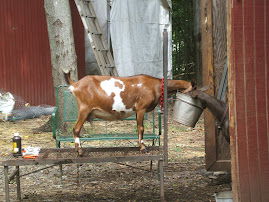
I am so happy that I do not live in California! Recently, I learned that the state of California is banning Foie Gras. As of July of this year, foie gras will be illegal in California. This makes me feel bad for Californians. They get to vote on all sorts of different matters and enact real changes in their state and this is how they use their voting power. I don't understand why they would waste their time on foie gras. Does PETA run the state? People have a right to chose what they want to eat and foie gras is not dangerous.
I love foie gras! It is like delicious meat butter. It is creamier than bone marrow but they share that deep, rich, umami flavor. Foie gras is French for "fat liver" and it is just that. The fatten liver of a goose or duck. Foie gras does not have that iron metallic flavor found in most other livers. Foie gras is rich in iron, vitamin A, and good healthy fats (unsaturated) while being low in bad fats (saturated and trans fats) and low in sugar. I wonder how many voters in California have actually tasted foie gras.
The controversy is not that foie gras is dangerous to consume but that the farming practices are inhumane. Foie gras is farmed using a practice called gavage. Yes, gavage is a fancy French term for force feeding through a tube. Force feeding sounds really bad but when you don't have a gag reflex and are a total glutton it really isn't. Ducks and geese have no gag reflex and swallow whole fish that are bigger than the feeding tubes used in gavage. They also breath through their tongues which sounds insane but makes suffocation by feeding tube impossible.
The fattening of animals is nothing new. The cattle industry fattens up beef cows and feeds them food that is not even in their natural diet. A cows natural diet is grass but factory cattle farms feed them a steady diet of corn along with some really gross shit. The conditions of feed lots are overcrowded and disgusting with cows knee high in their own feces. These feed lot practices are not only bad for the animals but they are also bad for the meat. Yes the meat may be better marbled, more tender, and flavorful but it also has higher amounts of bad fats and less of the good Omega 3 fatty acids. They also create massive amounts of run off waste which can end up polluting local rivers and water supplies. Why didn't California outlaw commercial cattle feed lots?
Why is foie gras being singled out? Because foie gras is not an industrialized mega farming endeavor. Mom and pop farms do not have the muscle and money to lobby and protect themselves. The cattle industry is massive and has a lot of pull and protection. Making foie gras illegal is a strike against small independent family farms. This ban will definitely have greater affects than what you are able to eat. For one, a family farm will lose their livelihood.
What we need to do is go back to the time before industrialized farming. Your food does not need to travel thousands of miles before it arrives at your local mega supermarket. Food has a season and we should respect that. Food also costs money and you get what you pay for. The dollar menu sounds like a bargain until you start to wonder where that beef patty came from. I know that almost everyone is having money issues and it can be hard to pass up a bargain but sometimes it is better to walk away.
You also do not need to eat meat at every meal every day. Find your local farmers, go to your neighborhood farmer's market, and enjoy their bounty. You can feel good about supporting a local family, saving gas on food transportation which is good for the environment, and supporting a local patch of land that will not be turned into a strip mall plus providing good healthy food for your family.
You should care about where all your food comes and how it was raised. Were your apples sprayed with pesticides? Was your chicken shot full of antibiotics? Did your bacon come from a pig that was kept in a cage so small that it couldn't turn around? When it comes to foie gras, I think people are getting hung up on gavage. It think it matters more what environment the ducks and geese are raised in and how they are treated. Also as important is how the human workers are treated on the farm. I understand that not every foie gras farm is idyllic but I am sure the percentage of cattle/pork/chicken farms with worse conditions is much greater.
We are Americans and we were founded on life, liberty, and the pursuit of happiness. Taking away my right to choose to eat something like foie gras is taking away my right to choose. They have already taken away our right to raw milk, whats next? Will they take away our sushi?
Read more about foie gras at:
Serious Eats
The Village Voice
Want to learn more about your food?
Read:
What to Eat
Real Food
The Omnivore's Dilemma
Watch
Food, Inc.
King Corn
Supersize Me
The Dive
Check out Slow Food USA
Showing posts with label foodie. Show all posts
Showing posts with label foodie. Show all posts
Tuesday, March 13, 2012


Tuesday, March 6, 2012
Raclette
You may recall that I love Raclette. I think it blows fondue out of the milk! You don't have to worry about hot splash back or losing your chunk in hot lava cheese. Fondue also has limited creativity and combinations. The basic principal is skewer chunk (meat, veggie, fruit, bread) and dip in cheese, oil, or chocolate. It is hard to factor much else into the equation.
Raclette is full of possibilities. You take some Raclette cheese and add anything to it and keep adding different ingredients. You just don't want to pile on so much that the food will be touching the heating element because it will either burn or catch on fire. One trick to Raclette is to forget about it, then you will achieve that golden crunchy cheese yumminess.
I think of Raclette as a winter activity and was very happy to get a cold spell this weekend. We hadn't used our Raclette grill since last winter and I wanted to use it before next winter. We planned a small gathering of about 8 people total. You don't want too many people running around with hot cheese when you have 2 dogs and a baby underfoot. It was fun for everybody to come up different combinations and share "recipes".
The cheeses we had were Raclette as well as Beemster goat Gouda (which is a nice melter) and Robiola Bosina (not a good melter as the fat content is too high). The meats were a goose liver pate, Landjaeger which is a dried hunters sausage, Porchetta which is pork loin wrapped in pancetta, and Finnochionia. There was also crispy kale, olives, marinated mushrooms, portabello mushrooms, cornishons, melba toast, baguette, and of course boiled potatoes. I also offered a selection of salts, smoked Maldon, green herb salt, and a red spice salt.
The standout highlight combination of the night was Raclette with marinated mushrooms and crispy kale. I can't stop thinking of it even though I ate a ton that night. I am gonna put that combination into a grilled cheese. I could even do an open face grilled cheese under the broiler! What a great way to get in your greens.
Raclette is full of possibilities. You take some Raclette cheese and add anything to it and keep adding different ingredients. You just don't want to pile on so much that the food will be touching the heating element because it will either burn or catch on fire. One trick to Raclette is to forget about it, then you will achieve that golden crunchy cheese yumminess.
I think of Raclette as a winter activity and was very happy to get a cold spell this weekend. We hadn't used our Raclette grill since last winter and I wanted to use it before next winter. We planned a small gathering of about 8 people total. You don't want too many people running around with hot cheese when you have 2 dogs and a baby underfoot. It was fun for everybody to come up different combinations and share "recipes".
The cheeses we had were Raclette as well as Beemster goat Gouda (which is a nice melter) and Robiola Bosina (not a good melter as the fat content is too high). The meats were a goose liver pate, Landjaeger which is a dried hunters sausage, Porchetta which is pork loin wrapped in pancetta, and Finnochionia. There was also crispy kale, olives, marinated mushrooms, portabello mushrooms, cornishons, melba toast, baguette, and of course boiled potatoes. I also offered a selection of salts, smoked Maldon, green herb salt, and a red spice salt.
The standout highlight combination of the night was Raclette with marinated mushrooms and crispy kale. I can't stop thinking of it even though I ate a ton that night. I am gonna put that combination into a grilled cheese. I could even do an open face grilled cheese under the broiler! What a great way to get in your greens.
Tuesday, February 7, 2012
Mokomandy

A few months ago, we moved to Sterling. We had been pretty disappointed by neighborhood food establishments until we went to Mokomandy. I still can't believe such a great restaurant was hiding in our town. Mokomandy is a small Korean/Cajun restaurant. Seems like an odd mix but the chef has family roots in both ethnicities and spicy is also a common thread. Their menu is divided into small, medium, and large plates with a large selection of $3 snacks and sides.
We ventured out on a cold windy Friday night with baby in tow who slept through most of the delicious meal. I started with the Foie Gras Dumplings pictured to the left. These little pockets of yum where a wonderful start to a great meal. They were rich and luscious with that umami thing I hear so much about.

Any visit to Mokomandy would be incomplete with out a side of Cracklins. They came hot and popping to the table. Dusted with a touch of what I think was paprika. Our order during our second visit was spicier than our first visit. If you don't like hot spicy food I am sure you could request them without or just a tad of hot dust.

The first visit I had the Korean Karnivore Ssam, this was a pile of shaved beef shortrib and lettuce to wrap the meat. It was served with delicious and not too spicy kimche and yummy veggies. Patrick ordered the Wild Boar Bowl which was hearty and even though it was a medium plate, he was unable to finish it and brought home the leftovers.
This first visit I forgot my camera so all the pictures are from our second visit which took place on my 32nd birthday. Unfortunately, Orion was awake for this visit. He was almost asleep when we parked the car but was awake once we got into the restaurant. This made the meal stressful and less enjoyable as baby boy had on his fussy pants cause he was tired and wouldn't sleep. He didn't make too much of a scene but I know when to throw in the towel.
On our second visit I ordered the Oyster Poboys. These local oysters had a cornmeal crust and were served on delicious housemade brioche. Very yummy as I love cornmeal and brioche but it could have used more Oyster.

I also ordered the Gator Croquette. These were tasty balls but they could have been anything. They are made with house made bacon but I really couldn't tell. I have had gator before and felt there was a bit of that gator texture in the croquette. But by this point I was being distracted by a fussy baby boy.

Patrick ordered Steak Frites which was cooked perfectly to his taste and how cute are those lil' lumps of meat. I found the fries and bok choy to be really delicious, the carrots were a bit too crunchy for my taste.

The service at this place is wonderful. On our first visit we were told they were a man down so food left the kitchen more slowly but our server was very attentive. The place was packed during this visit and they put us in a table I assume they don't usually use when it is cold as the frigid air blows right inside. The table was by the front door and they turned the space heater in our direction to fight the cold front. The heater wasn't really necessary and we enjoyed our spot much more than waiting for a table. during our first visit, Patrick ordered a ginger ale. When they discovered they were our of the ginger ale one employee offered to run up to the supermarket to get him a Goya. We declined as they seemed busy enough.
Our second visit was on an unseasonably warm Thursday night, only a few other tables were occupied. When I took the baby out to the car, the hostess offered their bathroom for a diaper change. But I knew what he needed was a little booby snack and a nap. When Patrick eventually finished his meal and left, he had been given some free Chocolate Caramel Chicory pudding for our troubles which were of no fault of the restaurant. It was tasty pudding and gave me a bit of a late night sugar shock. The cane syrup salted caramels should be sold by the bagful!
Our first visit I ordered the Triple Chocolate Cake which was frozen dark chocolate mousse squares and devil’s food cake squares swimming in hot fudge with passionfruit sauce and the cake was topped with orange segments. It was just an OK dessert. The mousse was too frozen to eat, the cake was dry, and there was too much sauce but I did love the passionfruit.
Mokomandy has a very interesting cocktail menu. On each visit I ordered a different cocktail and enjoyed them both. I look forward to no longer breastfeeding so I can drink with abandon, not like I'm an alcoholic but I would like to try both their wine flights. The first cocktail i had was the Hibiscus 75 made with local Catoctin Creek Gin, Sparkling wine, Hibiscus, and Elderflower. I am not much of a Gin drinker but I do really like Catoctin Creek's gin. It is less juniper but more complex. The second visit, I enjoyed a Pomegranate Currant Fizz made with Pama Liqueur, Absolut Kurrant, Lavender Syrup, Lime, and Sparkling Rose. This may have been my favorite and I wish they came in bigger glasses.
I highly recommend this restaurant and believe it is worth the drive from DC. There are a number of menu items I want to try so I will be back. If you go mention my name, Charlotte the cheese lady!
http://www.mokomandy.com/
Tuesday, February 1, 2011
Rind time!
To eat the rind or not to eat the rind, that is the question. A woman was very perplexed recently when I offered her a taste of Bonne Bouche; she said "it's blue!” She was lacking confidence in her knowledge of cheese rinds and in her cheesemonger. Bonne Bouche is an ash ripened goat cheese that has a grayish blue rind that is completely edible. The rind is coated with vegetable ash which is often used in cheesemaking. Humboldt Fog and Morbier are two classic examples of cheeses that use ash. Both have a line of ash through the center of the paste.
Many that night were calling Bonne Bouche a blue cheese but it's not, it just has a striking look which makes it a great addition to any cheese plate. I love Bonne Bouche, the ash coating helps the cheese age, prevents unwanted molds and intruders, and helps the paste get crazy runny and gooey. This cheese won best goat cheese at the 2010 American Cheese Society conference. You can learn more about Bonne Bouche at http://www.vermontcreamery.com/bonne-bouche/
Some cheeses have a natural rind like bandaged wrapped cheddar. This means that the truckle (term for a wheel of cheddar which refers to its shape) was wrapped in cheesecloth which is often coated in lard and then aged. Before the cheese goes to market the cheesecloth is removed but you can still see the hatch marks on the rind left behind from the texture of the cloth. You can choose to eat this rind if you like but it will be a bit dry. Similarly, other cheeses get a paper coating to their rind. If won’t kill you to eat paper but it won’t add much flavor.
Blue cheeses like Cashel blue and Mountain Gorgonzola have a natural rind. The rind on Mountain Gorgonzola can be dry and brittle. Often the natural rind on a blue cheese can be more concentrated in flavor. You can decide to eat them if you want. Some blue cheeses like Buttermilk Blue and Maytag blue have no rinds. Their rinds are removed before packaging.
There are a few rinds that you really don't want to eat. If a cheese is covered in wax, don't eat it unless you are nostalgic for the wax lips of your childhood. It won't kill you to eat wax but it also will not taste very good. Some chesses have a thick wax coating and others like Manchego or P’tit Basque have a very thin waxy coating. You can cut off these rinds and enjoy your cheese. When serving this type of cheese on a party platter, it is best to cut the wax off the sides of the wedge but leave the wax along the back as it will provide a bit of support while guests cut off chunks.
If a cheese has a wooden belt like Petit Sapin or Winnimere, do not eat the wood. These types of cheeses are best served in the whole with the top rind peeled back and the glorious goo spooned out. But a wedge of Winnimere can also be delicious but as it is a washed rind cheese, the rind will have a more concentrated flavor. The rind is exposed to multiple washings in a brine solution which may contain some kind of alcohol. The salt and flavor will concentrate on the rind with a specific type of red mold called Bacteria Linens. This type of mold is intentional and gives washed rind cheeses their stinky nature. When you see mold whether it is red, white, or blue ask yourself if it was intentional and if it was give it a taste.
Things can get confusing when a cheese is covered in leaves. Valdeon is a wonderful Spanish blue cheese made from goat’s and cow’s milk with a covering of Sycamore leaves. These leaves make a pretty presentation but are not edible. Once again, this will not kill you but won’t help the flavor. Rogue River Blue is a raw cow’s milk blue made in Oregon that is covered in grape leaves soaked in pear brandy. These leaves are edible and offer a unique flavor and texture to the cheese. If the leaves are dry, I would avoid them but it they have been drenched in some kind of alcohol, I may taste them and then decide if they are worth eating.
Really when it comes down to the rind it is a matter of taste preference. Try the rind first and if you don’t like the taste don’t eat it. But please take the rind with you, I hate seeing a sad slice of brie being hollowed out at a party. It is unattractive and leads others to think that the rind is not edible when they might enjoy the taste. It’s like asking someone else to clean up your mess.
The rind on Soft Ripened cheeses like Brie, Camembert, and Humboldt Fog are edible and made from a white mold which is often penicillium candidum and/or geotrichum candidum. Some inexpensive bries and camembert have a rind that is papery and a paste that is firm. That is not what I look for in brie so I skip them. I love d’Affinois which has a very mild rind which lends body to the very creamy paste. But the rind on a soft ripened cheese can become bitter with age. When that is the case, I may choose to discard the rind. Pierre Robert is an indulgent triple crème from France but I often find the rind too bitter and will scoop out the runny paste.
If a cheese has mold that was not intended and has developed with time you might not have to trash the whole chunk. If you have a chunk of cheddar that has gone a bit moldy, cut off the mold until the paste is pure and enjoy. Do not eat a cheese that has cat fur mold, unintended red mold, or smells like urine. If the cheese is a soft, fresh cheese, or a surface ripened cheese, you might have to let it go as it can be hard to remove unwanted molds from these creamy cheeses.
I hope this provides some rind confidence and remember what doesn’t kill you only makes you stronger! And a tip, Parmigiano-Reggiano rinds aren't edible but they can be added to soups, stocks, and stews to add a wonderful salty, cheese flavor.
Many that night were calling Bonne Bouche a blue cheese but it's not, it just has a striking look which makes it a great addition to any cheese plate. I love Bonne Bouche, the ash coating helps the cheese age, prevents unwanted molds and intruders, and helps the paste get crazy runny and gooey. This cheese won best goat cheese at the 2010 American Cheese Society conference. You can learn more about Bonne Bouche at http://www.vermontcreamery.com/bonne-bouche/
Some cheeses have a natural rind like bandaged wrapped cheddar. This means that the truckle (term for a wheel of cheddar which refers to its shape) was wrapped in cheesecloth which is often coated in lard and then aged. Before the cheese goes to market the cheesecloth is removed but you can still see the hatch marks on the rind left behind from the texture of the cloth. You can choose to eat this rind if you like but it will be a bit dry. Similarly, other cheeses get a paper coating to their rind. If won’t kill you to eat paper but it won’t add much flavor.
Blue cheeses like Cashel blue and Mountain Gorgonzola have a natural rind. The rind on Mountain Gorgonzola can be dry and brittle. Often the natural rind on a blue cheese can be more concentrated in flavor. You can decide to eat them if you want. Some blue cheeses like Buttermilk Blue and Maytag blue have no rinds. Their rinds are removed before packaging.
There are a few rinds that you really don't want to eat. If a cheese is covered in wax, don't eat it unless you are nostalgic for the wax lips of your childhood. It won't kill you to eat wax but it also will not taste very good. Some chesses have a thick wax coating and others like Manchego or P’tit Basque have a very thin waxy coating. You can cut off these rinds and enjoy your cheese. When serving this type of cheese on a party platter, it is best to cut the wax off the sides of the wedge but leave the wax along the back as it will provide a bit of support while guests cut off chunks.
If a cheese has a wooden belt like Petit Sapin or Winnimere, do not eat the wood. These types of cheeses are best served in the whole with the top rind peeled back and the glorious goo spooned out. But a wedge of Winnimere can also be delicious but as it is a washed rind cheese, the rind will have a more concentrated flavor. The rind is exposed to multiple washings in a brine solution which may contain some kind of alcohol. The salt and flavor will concentrate on the rind with a specific type of red mold called Bacteria Linens. This type of mold is intentional and gives washed rind cheeses their stinky nature. When you see mold whether it is red, white, or blue ask yourself if it was intentional and if it was give it a taste.
Things can get confusing when a cheese is covered in leaves. Valdeon is a wonderful Spanish blue cheese made from goat’s and cow’s milk with a covering of Sycamore leaves. These leaves make a pretty presentation but are not edible. Once again, this will not kill you but won’t help the flavor. Rogue River Blue is a raw cow’s milk blue made in Oregon that is covered in grape leaves soaked in pear brandy. These leaves are edible and offer a unique flavor and texture to the cheese. If the leaves are dry, I would avoid them but it they have been drenched in some kind of alcohol, I may taste them and then decide if they are worth eating.
Really when it comes down to the rind it is a matter of taste preference. Try the rind first and if you don’t like the taste don’t eat it. But please take the rind with you, I hate seeing a sad slice of brie being hollowed out at a party. It is unattractive and leads others to think that the rind is not edible when they might enjoy the taste. It’s like asking someone else to clean up your mess.
The rind on Soft Ripened cheeses like Brie, Camembert, and Humboldt Fog are edible and made from a white mold which is often penicillium candidum and/or geotrichum candidum. Some inexpensive bries and camembert have a rind that is papery and a paste that is firm. That is not what I look for in brie so I skip them. I love d’Affinois which has a very mild rind which lends body to the very creamy paste. But the rind on a soft ripened cheese can become bitter with age. When that is the case, I may choose to discard the rind. Pierre Robert is an indulgent triple crème from France but I often find the rind too bitter and will scoop out the runny paste.
If a cheese has mold that was not intended and has developed with time you might not have to trash the whole chunk. If you have a chunk of cheddar that has gone a bit moldy, cut off the mold until the paste is pure and enjoy. Do not eat a cheese that has cat fur mold, unintended red mold, or smells like urine. If the cheese is a soft, fresh cheese, or a surface ripened cheese, you might have to let it go as it can be hard to remove unwanted molds from these creamy cheeses.
I hope this provides some rind confidence and remember what doesn’t kill you only makes you stronger! And a tip, Parmigiano-Reggiano rinds aren't edible but they can be added to soups, stocks, and stews to add a wonderful salty, cheese flavor.
Wednesday, January 12, 2011
Cheesemonger for the masses!
Epoisses, Brebirousse, d'Affinois, Gres des Vosges, Rogue River Blue, Roquefort, Valdeon, Coupole, Bonne Bouche, Humboldt Fog, P'tit Basque, Ossau Iraty, Beecher's Flagship Cheddar, 5 year aged Gouda, Midnight Moon, Lamb Chopper, Taleggio, Fontina Val D'aosta, Burrata. These are all wonderful cheese which are now available at Safeway. Yes that is right, welcome to the World of Cheese at Safeway! The super gigantic supermarket chain is selling high end cheese and charcuterie. But not just any Safeway, the only cheese counter of its kind is at the Georgetown Safeway in DC. Safeway is using this store as a barometer of how a high end cheese counter might do in other store locations. They have even taken a few of our top selling cheese to the store location in Potomac.

How do I know this? Because I started working for Safeway at the end of May 2010 and am currently still mongering there 15 hours a week. It has been an interesting experience for me to be involved in such a new corporate endeavour. I have worked at a few different cheese counters in Northern Virginia and all of them, till now, had been independently owned. When I first got the job, it was hard for me to say that I worked at Safeway and often told people that I worked at a cheese counter in Georgetown. But now, I am proud of my job at Safeway and the vast array of cheeses we offer.

It has been said that our cheese selection is the largest in DC and that our French selection is the largest in the area. I have not gone out to pound the pavement to verify these claims but I do feel comfortable saying that we have the largest and most diverse selection of cheeses than any other supermarket in DC. We definitely have more cheese than the average Whole Foods but Wegman's does rival our selection. Wegman's also cuts most of their cheeses in the store, something I wish we did at the World of Cheese.
At the Georgetown Safeway, we do not cut every cheese we offer. We do cut most of our soft ripened cheeses and blue cheeses. We have to cut d'Affinois, Saint Andre, and Supreme every day as they are among our top selling cheeses. We also cut P'tit Basque, Ossau Iraty, Tallegio, and many other cheeses. We do not cut any of our vast selection of Cheddars in the store. Cheeses we do not cut are either cut at our distribution center in Maryland or are packaged by the cheesemaker. I do believe that the best cheese is cut fresh off a whole wheel but packaged cheese is still pretty good. Still better than processed Kraft singles or Velveeta.
We also do not cut the Parmigiano-Reggiano in the store. This is cut at our distribution center and we receive it frequently throughout the week. But it is this one cheese that gets the most criticism from our customers. People look at it and do not believe it is real Italian Parmigiano-Reggiano. They say it is too hard or that they are Italian and have never heard of Bella Rossa. There is often no convincing the customer otherwise. Let me take this opportunity to explain why are Parm is the real deal.
Bella Rossa is made in Italy, aged 24 months, and distributed by Arthur Schuman, an American company. For any cheese to be legally called Parmigiano-Reggiano it must meet DOC (Denominazione Di Origine Controllata) regulations. Therefore it must be made in Italy, in either Emilia Romagna or Lombardy. It must be made from partially skimmed cow's milk and the cow's have strict dietary rules and cannot be feed any silage. Once the wheels are made and aged they undergo a strict DOC inspection process. If the wheels pass inspection, the rind is stamped with the Parmigiano-Reggiano Consortium mark. If you ever question the authenticity of a Parmigiano-Reggiano, look at the rind. If you can see the name stenciled into the rind, it is the real thing. What we sell at Safeway is the real thing but it would be better and fresher if we cut it in the store.

So why is it that we do not cut all the cheeses in store? Our store is open 24 hours, seven days a week and sells a whole lot of cheese with only 3 dedicated World of Cheese employees and one manager. Sometimes it is hard enough for us to stay on top of all the cutting, stocking, cleaning, and other cheese counter chores. We make Baked Bries in store and shred and grate various types of cheese as well as fill orders for our catering department. We also have a severe lack of space. It can get very crowded behind our counter and I hate cutting cheese with my back to customers but you do what you gotta. One thing I do really like about the cheese counter at Wegman's is they have a spacious work area in the center of their cheese counters.
We are also working to expand our cheese selection. This could not be done without our fromagerie manager, Treva Stose. She has put in countless hours fighting for wonderful cheeses to make it into the World of Cheese. Even when she is not working, she is working. She is very dedicated to the World of Cheese at Safeway and has worked tirelessly for it to be the best cheese counter in DC. She takes great care with our French air freight cheeses and is now working on expanding our Italian and Spanish cheese selection.

When the World of Cheese first opened in May 2010, we had to order all of our cheeses, Pates, and salamis through one distribution company, DPI. We had a few difficulties and Treva fought corporate to be allowed to use another distributor. If DPI did not have the cheese, we could not sell the cheese. Cheeses Safeway used to sell disappeared and some of the cheeses we did receive were not in the best condition or cut in a manner that was not ideal. We do not accept anything less than the best and any issues we take to our most wonderful DPI rep, John. Such a demanding high end cheese counter is pretty new for our distributor and the start of any new process will have some growing pains.
Recently, we have begun using Epicure and hope to order more exciting new cheeses through them. Any cheese we order from them, we will have to cut in the store. But getting new cheeses is a bit of a struggle. At cheese counters where I have worked previously, I would only have to make a case for that cheese with the store manager and then they would order it through one of their distributors. As Safeway is a large national retail chain, all items must be approved by our corporate office in California. Since the store opened in May, customers have been asking for Mozzarella DI' Bufala. Customers ask us, we tell our Manager, and she takes it to our distributor and corporate. We still do not have Mozzarella Di' Bufala but have been told that it is in the works. We take our customer requests very seriously and make notes whenever a customer asks for a specific cheese. No matter how often a cheese is requested, it does not guarantee a spot for that cheese in our case. And if a cheese doesn't sell, like Limburger, chances are that it will disappear from our counter.

Halloumi is a wonderful cheese, I love to grill it in the summertime. One of the first Saturday cheese demos I did at the store was grilled Halloumi. Everyone loved the cheese and was excited about its cooking possibilities. When I went to check the sales figures the next day, I found that it wasn't on the report. The cheese did not have a scanable barcode and was not an approved item. We fought to get this item approved by corporate but it continues to be denied even though it sold well and was requested by many customers. But we do not stop trying and sometimes unauthorized items magically appear in our counter.

One thing I love about working at the "Social" Safeway in Georgetown is the diversity of our customers. We get all types from every walk of life and I love hearing all the different languages being spoken all around the store. Every day we lure these people to our cheese counter with samples of different cheeses. I love giving a person a new cheese to taste and when that person really loves what they are tasting. We have had young children go gaga over Epoisses, which is one of our top selling cheeses.
We love to take the time to educate our customers regarding cheese. We love to take time to help them assemble their cheese platters, or pick cheeses for a fancy grilled cheese or mac and cheese. We also offer a lot of wine pairing advice as we are located right next to the wine department. If they are tasting wine or beer in that department, you can be sure they are serving a carefully selected cheese to go with that tasty beverage. Customer service, interaction, and satisfaction are very high priorities at Safeway. I love any opportunity to talk cheese!

Some customers get frustrated because all of our cheeses are not located all in one place. Our store is very big, 71067 square feet, and can take a long time to navigate. People often ask where the "regular" cheese is located. Not sure what "regular" means because what is regular for me, like chevre, might not be regular for someone else. But what they are usually looking for is located in aisle 3, which is also the cracker aisle. This is where the cream cheese, Velveeta, packaged processes cheese, shredded cheese, and some kosher cheeses are located. But to further confuse, we also have cheese located on the other side of the wine department along the back wall. This is where you will find your port wine cheese, Boursin, in-store grated cheese, crumbled cheese, and sliced cheese as well as summer sausage and hummus. I like to call this wall our shreds and spreads section but it is a lot more than that. We have such a variety of cheese, that to keep it all in one place would be a very overwhelming space. At the World of Cheese, we have close to 200 different kinds of cheese on any given day.
I think offering such a wide variety of cheeses in a supermarket is a wonderful thing. It makes cheese more accessible to all and might demystify cheese for some people. I have seen people get very intimidated by cheese which can cause them to get frustrated and overwhelmed. It is only food and the cheese can stand alone, it is really hard to pick the "wrong" cheese. In this type of environment where you are free to walk up and grab whatever you like without asking may empower people to explore new cheese horizons without fear. And if you have any questions, we are here!

How do I know this? Because I started working for Safeway at the end of May 2010 and am currently still mongering there 15 hours a week. It has been an interesting experience for me to be involved in such a new corporate endeavour. I have worked at a few different cheese counters in Northern Virginia and all of them, till now, had been independently owned. When I first got the job, it was hard for me to say that I worked at Safeway and often told people that I worked at a cheese counter in Georgetown. But now, I am proud of my job at Safeway and the vast array of cheeses we offer.

It has been said that our cheese selection is the largest in DC and that our French selection is the largest in the area. I have not gone out to pound the pavement to verify these claims but I do feel comfortable saying that we have the largest and most diverse selection of cheeses than any other supermarket in DC. We definitely have more cheese than the average Whole Foods but Wegman's does rival our selection. Wegman's also cuts most of their cheeses in the store, something I wish we did at the World of Cheese.
At the Georgetown Safeway, we do not cut every cheese we offer. We do cut most of our soft ripened cheeses and blue cheeses. We have to cut d'Affinois, Saint Andre, and Supreme every day as they are among our top selling cheeses. We also cut P'tit Basque, Ossau Iraty, Tallegio, and many other cheeses. We do not cut any of our vast selection of Cheddars in the store. Cheeses we do not cut are either cut at our distribution center in Maryland or are packaged by the cheesemaker. I do believe that the best cheese is cut fresh off a whole wheel but packaged cheese is still pretty good. Still better than processed Kraft singles or Velveeta.
We also do not cut the Parmigiano-Reggiano in the store. This is cut at our distribution center and we receive it frequently throughout the week. But it is this one cheese that gets the most criticism from our customers. People look at it and do not believe it is real Italian Parmigiano-Reggiano. They say it is too hard or that they are Italian and have never heard of Bella Rossa. There is often no convincing the customer otherwise. Let me take this opportunity to explain why are Parm is the real deal.
Bella Rossa is made in Italy, aged 24 months, and distributed by Arthur Schuman, an American company. For any cheese to be legally called Parmigiano-Reggiano it must meet DOC (Denominazione Di Origine Controllata) regulations. Therefore it must be made in Italy, in either Emilia Romagna or Lombardy. It must be made from partially skimmed cow's milk and the cow's have strict dietary rules and cannot be feed any silage. Once the wheels are made and aged they undergo a strict DOC inspection process. If the wheels pass inspection, the rind is stamped with the Parmigiano-Reggiano Consortium mark. If you ever question the authenticity of a Parmigiano-Reggiano, look at the rind. If you can see the name stenciled into the rind, it is the real thing. What we sell at Safeway is the real thing but it would be better and fresher if we cut it in the store.

So why is it that we do not cut all the cheeses in store? Our store is open 24 hours, seven days a week and sells a whole lot of cheese with only 3 dedicated World of Cheese employees and one manager. Sometimes it is hard enough for us to stay on top of all the cutting, stocking, cleaning, and other cheese counter chores. We make Baked Bries in store and shred and grate various types of cheese as well as fill orders for our catering department. We also have a severe lack of space. It can get very crowded behind our counter and I hate cutting cheese with my back to customers but you do what you gotta. One thing I do really like about the cheese counter at Wegman's is they have a spacious work area in the center of their cheese counters.
We are also working to expand our cheese selection. This could not be done without our fromagerie manager, Treva Stose. She has put in countless hours fighting for wonderful cheeses to make it into the World of Cheese. Even when she is not working, she is working. She is very dedicated to the World of Cheese at Safeway and has worked tirelessly for it to be the best cheese counter in DC. She takes great care with our French air freight cheeses and is now working on expanding our Italian and Spanish cheese selection.

When the World of Cheese first opened in May 2010, we had to order all of our cheeses, Pates, and salamis through one distribution company, DPI. We had a few difficulties and Treva fought corporate to be allowed to use another distributor. If DPI did not have the cheese, we could not sell the cheese. Cheeses Safeway used to sell disappeared and some of the cheeses we did receive were not in the best condition or cut in a manner that was not ideal. We do not accept anything less than the best and any issues we take to our most wonderful DPI rep, John. Such a demanding high end cheese counter is pretty new for our distributor and the start of any new process will have some growing pains.
Recently, we have begun using Epicure and hope to order more exciting new cheeses through them. Any cheese we order from them, we will have to cut in the store. But getting new cheeses is a bit of a struggle. At cheese counters where I have worked previously, I would only have to make a case for that cheese with the store manager and then they would order it through one of their distributors. As Safeway is a large national retail chain, all items must be approved by our corporate office in California. Since the store opened in May, customers have been asking for Mozzarella DI' Bufala. Customers ask us, we tell our Manager, and she takes it to our distributor and corporate. We still do not have Mozzarella Di' Bufala but have been told that it is in the works. We take our customer requests very seriously and make notes whenever a customer asks for a specific cheese. No matter how often a cheese is requested, it does not guarantee a spot for that cheese in our case. And if a cheese doesn't sell, like Limburger, chances are that it will disappear from our counter.

Halloumi is a wonderful cheese, I love to grill it in the summertime. One of the first Saturday cheese demos I did at the store was grilled Halloumi. Everyone loved the cheese and was excited about its cooking possibilities. When I went to check the sales figures the next day, I found that it wasn't on the report. The cheese did not have a scanable barcode and was not an approved item. We fought to get this item approved by corporate but it continues to be denied even though it sold well and was requested by many customers. But we do not stop trying and sometimes unauthorized items magically appear in our counter.

One thing I love about working at the "Social" Safeway in Georgetown is the diversity of our customers. We get all types from every walk of life and I love hearing all the different languages being spoken all around the store. Every day we lure these people to our cheese counter with samples of different cheeses. I love giving a person a new cheese to taste and when that person really loves what they are tasting. We have had young children go gaga over Epoisses, which is one of our top selling cheeses.
We love to take the time to educate our customers regarding cheese. We love to take time to help them assemble their cheese platters, or pick cheeses for a fancy grilled cheese or mac and cheese. We also offer a lot of wine pairing advice as we are located right next to the wine department. If they are tasting wine or beer in that department, you can be sure they are serving a carefully selected cheese to go with that tasty beverage. Customer service, interaction, and satisfaction are very high priorities at Safeway. I love any opportunity to talk cheese!

Some customers get frustrated because all of our cheeses are not located all in one place. Our store is very big, 71067 square feet, and can take a long time to navigate. People often ask where the "regular" cheese is located. Not sure what "regular" means because what is regular for me, like chevre, might not be regular for someone else. But what they are usually looking for is located in aisle 3, which is also the cracker aisle. This is where the cream cheese, Velveeta, packaged processes cheese, shredded cheese, and some kosher cheeses are located. But to further confuse, we also have cheese located on the other side of the wine department along the back wall. This is where you will find your port wine cheese, Boursin, in-store grated cheese, crumbled cheese, and sliced cheese as well as summer sausage and hummus. I like to call this wall our shreds and spreads section but it is a lot more than that. We have such a variety of cheese, that to keep it all in one place would be a very overwhelming space. At the World of Cheese, we have close to 200 different kinds of cheese on any given day.
I think offering such a wide variety of cheeses in a supermarket is a wonderful thing. It makes cheese more accessible to all and might demystify cheese for some people. I have seen people get very intimidated by cheese which can cause them to get frustrated and overwhelmed. It is only food and the cheese can stand alone, it is really hard to pick the "wrong" cheese. In this type of environment where you are free to walk up and grab whatever you like without asking may empower people to explore new cheese horizons without fear. And if you have any questions, we are here!
Wednesday, December 29, 2010
Cheese is good but is it good for you?
With the New Year comes a clean slate. And on that slate we want to write a new set of rules for ourselves. This is the time of year for New Year's resolutions. We may say to ourselves this year I will lose that 20 pounds, or go to the gym, or eat healthy. These resolutions have the best intentions in January but are often forgotten by July. Why is it so hard to keep a New Year's resolution? I think it's because we can be too hard on ourselves and get frustrated and give up. Maybe you shouldn't set yourself up to start the New Year with multiple resolutions, just try one. And it's OK if you don't stick to it 24 hours a day 7 days a week. Just don't beat yourself up and give up when you fall off the wagon.
One great resolution is to eat healthy. By eating healthy you may even lose weight and have more energy and maybe even want to go to the gym. Eat more fruits and veggies and avoid sugar and processed foods. But where does that leave cheese? We know that cheese tastes good but it is good for you? I argue that yes, cheese is good for you but it does depend on the cheese. First I will argue why cheese is good for you, then which cheeses are the best for you and which should be avoided.
Cheese is a wonderful source of protein and calcium packed in a small size. A little bit of cheese goes a long way. One ounce of Cheddar cheese has 9 grams of fat, 6 of which are saturated fat but it also has 7 grams of protein and 20% of the USDA recommended serving of calcium. One ounce of Brie has 8 grams of fat 5 of which are saturated fat but it also has 6 grams of protein. This information came from http://nutritiondata.self.com.
Do not fear fat, we need it for many reasons. Vitamins A, D, E, and K are fat-soluble which means they cannot be absorbed without the aid of fats. We also need fat to convert carotene to vitamin A. Keep track of your fats but do not avoid fat altogether. The Truth about Saturated Fats is an article written by Mary Enig, PhD, and Sally Fallon which explores fats and saturated fat in depth. You can read more at:
http://www.health-report.co.uk/saturated_fats_health_benefits.htm
In order to unlock some of the nutritional benefits of certain vegetables like spinach, fat must be consumed as the nutrients are fat soluble. Eating a salad with fat free dressing is rather pointless unless you have some cheese sprinkled on top. Moderation and variety are very important in a healthy diet. Eat cheese with fruits, veggies, and whole grain bread.
Cheese can make you feel good. A diet lacking in animal fat may also increase depression. Cheese contains tyrosine which is an amino acid that exists in high concentrations in cheese. Ever have an aged Gouda with yummy lovely crunchy bits? That is tryosine which becomes crunchy during the aging process. During aging, the amino acid chain unravels leaving behind crunchy tryosine. Tryosine can help you sleep, reduce effects of stress, ease depression as well as PMS, and increase energy. Another fun cheese rush comes from casomorphin. Our bodies turn casein into casomorphin. This is an opioid which may account for the addictive nature of cheese and why you want a nap after a cheese feast. But I have never heard of anyone going into rehab for casomorphin.
The best cheese comes from animals that are grass fed and cheeses that are made with raw milk. Eating cheese made from the milk of grass feed animals provides more CLA's, conjugated linoleic acid. This fat is believed to have anti-cancer properties, help maintain a healthy weight and be good for you heart. Cheeses made from the milk of animals who have been grass fed have more omega-3 fats and a better ratio of omega-3 to omega-6 fats. These cheeses are also higher in nutrients like Vitamin A, D, and E, as well as beta-carotene which gives butter made from grass fed milk its bright yellow color.
Raw milk cheeses are wonderful because they are easier to digest and have more nutrients. Pasteurization kills the good bacteria and heat sensitive nutrients along with the bad bacteria. Some of these good bacteria help us digest cheese. Cheese is easier to digest than milk because it is lower in lactose and the bacteria added to create cheese are digesting it before we are. Raw milk cheese has more of these helpful bacteria. I think raw milk is wonderful to drink and for cheesemaking. Some argue that raw milk can cure allergies. If you drink raw goat milk from goats that eat poison ivy, you can develop an immunity to poison ivy.
Cheeses that I would avoid at all cost are overly processed, individually wrapped, come in spray form, and imitation cheeses. I do not like the taste of processed cheese and find they usually taste like plastic. I hate when a cheese says processed cheese product, or cheese food. Processed cheese and imitation cheeses tend to contain too many ingredients, additives, and preservatives. One great thing about cheese is that it usually has just a few ingredients.
I try to avoid anything that is overly processed especially soy. I am fine with tofu and edamame, natural soy products but am distrusting of partially hydrogenated soybean oil. Soy cheeses are usually lacking in flavor, meltability, and filled with additives, preservatives, and oil. Cheese made from tofu and soy are unnatural. Processed soy products can have negative health affects and disrupt estrogen. You can read more at: http://www.drlam.com/opinion/soyandestrogen.asp
When dieting, do not give up on flavor. Why eat something if it is fat free but tasteless. Why not just skip it all together and save it for something worthwhile? Flavor comes from fat and it is fat that satisfies us and gives a feeling of fullness. There are many cheeses on the market that are made with skim milk. They may not be advertised as low fat but are lower in fat than cheeses made with whole milk. One example would be Jarlsberg, a Norwegian cheese that has a "swiss" cheese flavor. I have also enjoyed Kerrygold Reduced Fat Cheddar. It tasted like the real thing whereas many other reduced fat Cheddars have a plastic taste. I have not yet found a fat free cheese worth eating and think one does not exist.
If you are trying to lose weight and love cheese, don't cut cheese out all together but let the cheese stand alone. Leave the cheese off your sandwich, burger, eggs, fries, and skip the pizza. If you want to indulge in cheese, have a small amount of the best cheese you can find and enjoy it simply with fruit, veggies, and bread. May your New Year be filled with delicious cheese and all your resolutions come true!
One great resolution is to eat healthy. By eating healthy you may even lose weight and have more energy and maybe even want to go to the gym. Eat more fruits and veggies and avoid sugar and processed foods. But where does that leave cheese? We know that cheese tastes good but it is good for you? I argue that yes, cheese is good for you but it does depend on the cheese. First I will argue why cheese is good for you, then which cheeses are the best for you and which should be avoided.
Cheese is a wonderful source of protein and calcium packed in a small size. A little bit of cheese goes a long way. One ounce of Cheddar cheese has 9 grams of fat, 6 of which are saturated fat but it also has 7 grams of protein and 20% of the USDA recommended serving of calcium. One ounce of Brie has 8 grams of fat 5 of which are saturated fat but it also has 6 grams of protein. This information came from http://nutritiondata.self.com.
Do not fear fat, we need it for many reasons. Vitamins A, D, E, and K are fat-soluble which means they cannot be absorbed without the aid of fats. We also need fat to convert carotene to vitamin A. Keep track of your fats but do not avoid fat altogether. The Truth about Saturated Fats is an article written by Mary Enig, PhD, and Sally Fallon which explores fats and saturated fat in depth. You can read more at:
http://www.health-report.co.uk/saturated_fats_health_benefits.htm
In order to unlock some of the nutritional benefits of certain vegetables like spinach, fat must be consumed as the nutrients are fat soluble. Eating a salad with fat free dressing is rather pointless unless you have some cheese sprinkled on top. Moderation and variety are very important in a healthy diet. Eat cheese with fruits, veggies, and whole grain bread.
Cheese can make you feel good. A diet lacking in animal fat may also increase depression. Cheese contains tyrosine which is an amino acid that exists in high concentrations in cheese. Ever have an aged Gouda with yummy lovely crunchy bits? That is tryosine which becomes crunchy during the aging process. During aging, the amino acid chain unravels leaving behind crunchy tryosine. Tryosine can help you sleep, reduce effects of stress, ease depression as well as PMS, and increase energy. Another fun cheese rush comes from casomorphin. Our bodies turn casein into casomorphin. This is an opioid which may account for the addictive nature of cheese and why you want a nap after a cheese feast. But I have never heard of anyone going into rehab for casomorphin.
The best cheese comes from animals that are grass fed and cheeses that are made with raw milk. Eating cheese made from the milk of grass feed animals provides more CLA's, conjugated linoleic acid. This fat is believed to have anti-cancer properties, help maintain a healthy weight and be good for you heart. Cheeses made from the milk of animals who have been grass fed have more omega-3 fats and a better ratio of omega-3 to omega-6 fats. These cheeses are also higher in nutrients like Vitamin A, D, and E, as well as beta-carotene which gives butter made from grass fed milk its bright yellow color.
Raw milk cheeses are wonderful because they are easier to digest and have more nutrients. Pasteurization kills the good bacteria and heat sensitive nutrients along with the bad bacteria. Some of these good bacteria help us digest cheese. Cheese is easier to digest than milk because it is lower in lactose and the bacteria added to create cheese are digesting it before we are. Raw milk cheese has more of these helpful bacteria. I think raw milk is wonderful to drink and for cheesemaking. Some argue that raw milk can cure allergies. If you drink raw goat milk from goats that eat poison ivy, you can develop an immunity to poison ivy.
Cheeses that I would avoid at all cost are overly processed, individually wrapped, come in spray form, and imitation cheeses. I do not like the taste of processed cheese and find they usually taste like plastic. I hate when a cheese says processed cheese product, or cheese food. Processed cheese and imitation cheeses tend to contain too many ingredients, additives, and preservatives. One great thing about cheese is that it usually has just a few ingredients.
I try to avoid anything that is overly processed especially soy. I am fine with tofu and edamame, natural soy products but am distrusting of partially hydrogenated soybean oil. Soy cheeses are usually lacking in flavor, meltability, and filled with additives, preservatives, and oil. Cheese made from tofu and soy are unnatural. Processed soy products can have negative health affects and disrupt estrogen. You can read more at: http://www.drlam.com/opinion/soyandestrogen.asp
When dieting, do not give up on flavor. Why eat something if it is fat free but tasteless. Why not just skip it all together and save it for something worthwhile? Flavor comes from fat and it is fat that satisfies us and gives a feeling of fullness. There are many cheeses on the market that are made with skim milk. They may not be advertised as low fat but are lower in fat than cheeses made with whole milk. One example would be Jarlsberg, a Norwegian cheese that has a "swiss" cheese flavor. I have also enjoyed Kerrygold Reduced Fat Cheddar. It tasted like the real thing whereas many other reduced fat Cheddars have a plastic taste. I have not yet found a fat free cheese worth eating and think one does not exist.
If you are trying to lose weight and love cheese, don't cut cheese out all together but let the cheese stand alone. Leave the cheese off your sandwich, burger, eggs, fries, and skip the pizza. If you want to indulge in cheese, have a small amount of the best cheese you can find and enjoy it simply with fruit, veggies, and bread. May your New Year be filled with delicious cheese and all your resolutions come true!
Wednesday, November 10, 2010
The good news on lactose
While working as a cheesemonger I have had many people ask for lactose free cheese. The good news is many cheeses are naturally lactose free. So what exactly is lactose? Lactose is milk sugar and accounts for about 5-8% of milk solids. People are lactose intolerant when they cannot break down the lactose. The small intestine produce an enzyme called lactase which breaks down the lactose so it can be absorbed into the bloodstream. If you are lactose intolerant, you do not produce enough lactase to break down lactose.
Unlike other mammals, humans have adapted the ability to continue to produce lactase as they age. However, some people do not maintain this same ability and become lactose intolerant. There are many products available to help with this deficiency such as lactose free milk and lactase supplements. Cheese can be a great way for lactose intolerant people to consume their recommended daily dose of calcium.
The great news is that the wonderful bacteria that make cheese love to eat lactose! When making cheese, a bacteria is added to milk and the milk will separate into cuds and whey. Most of the lactose will be left behind in the whey and whatever is left in the curds will be consumed by bacteria during the cheesemaking process. The older a cheese is the less lactose will be present because the bacteria have more time to eat up all those yummy sugars.
Some cheeses are made from whey such as ricotta and gjetost. These cheeses will contain lactose. When looking at the nutritional label of any cheese notice the amount of sugar. This listing of sugar could also be called lactose as lactose is milk sugar. If a cheese has no sugar it has no lactose. Some cheeses are labeled lactose free but many are not labeled so read the facts if you have any doubt.
What I didn't know is that lactose is often added to products as a filler such as bread, baked goods, cereal to prevent caking and may also be added to frozen or canned vegetables to prevent discoloration. Be sure to read your labels if you are lactose intolerant because it may be hiding in the product as lactose or dry milk solids or whey.
Some people who consume a cow's milk cheese such as cheddar and have an adverse reaction may think they are lactose intolerant. If there is no lactose in the cheese you cannot be reacting to the lactose. You may be reacting to something else in the cow's milk. You may want to try goat's milk or sheep's milk cheese. Goat's milk cheeses are generally considered easier to digest. You may also find that raw milk cheeses are easier to digest because there are more natural bacteria present doing all the hard work for you.
There is a big world of cheese out there, so try a little bit of something new. Try a goat cheddar, a goat Gouda, or a goat mozzarella. (Yes, I do LOVE goat cheese) You may be surprised by a delicious cheese that makes your body happy!
Unlike other mammals, humans have adapted the ability to continue to produce lactase as they age. However, some people do not maintain this same ability and become lactose intolerant. There are many products available to help with this deficiency such as lactose free milk and lactase supplements. Cheese can be a great way for lactose intolerant people to consume their recommended daily dose of calcium.
The great news is that the wonderful bacteria that make cheese love to eat lactose! When making cheese, a bacteria is added to milk and the milk will separate into cuds and whey. Most of the lactose will be left behind in the whey and whatever is left in the curds will be consumed by bacteria during the cheesemaking process. The older a cheese is the less lactose will be present because the bacteria have more time to eat up all those yummy sugars.
Some cheeses are made from whey such as ricotta and gjetost. These cheeses will contain lactose. When looking at the nutritional label of any cheese notice the amount of sugar. This listing of sugar could also be called lactose as lactose is milk sugar. If a cheese has no sugar it has no lactose. Some cheeses are labeled lactose free but many are not labeled so read the facts if you have any doubt.
What I didn't know is that lactose is often added to products as a filler such as bread, baked goods, cereal to prevent caking and may also be added to frozen or canned vegetables to prevent discoloration. Be sure to read your labels if you are lactose intolerant because it may be hiding in the product as lactose or dry milk solids or whey.
Some people who consume a cow's milk cheese such as cheddar and have an adverse reaction may think they are lactose intolerant. If there is no lactose in the cheese you cannot be reacting to the lactose. You may be reacting to something else in the cow's milk. You may want to try goat's milk or sheep's milk cheese. Goat's milk cheeses are generally considered easier to digest. You may also find that raw milk cheeses are easier to digest because there are more natural bacteria present doing all the hard work for you.
There is a big world of cheese out there, so try a little bit of something new. Try a goat cheddar, a goat Gouda, or a goat mozzarella. (Yes, I do LOVE goat cheese) You may be surprised by a delicious cheese that makes your body happy!
Thursday, June 10, 2010
You Ate What!?!
While in Japan, I suspended my wheat free diet leaving me free to eat as I pleased. I tried to stay wheat free for the first few days but realized I would be limiting myself from foods I may never be able to try again. One of these is called Fu which is an Okinawan speciality that is made entirely from wheat gluten. It is like a big soggy noddle and not much to write home about, but my brother loves.

What I loved was the Tonkatsu which is a fried pork cutlet with panko breading. This was one of the best meals during our visit. It was served with sesame seeds which you had to grind and sprinkle on the cutlet then drizzle in sauce. Yummy, I want some now!
We also went out for conveyor belt sushi which was delicious and cheap. By the end of the meal we had a tower of plates and they just came by and scanned the tower to gives us our bill. They had some speciality sushi like Taco rice which is an island classic and is just what it sounds like.

I had the natto sushi and liked it much better than when I tried it for breakfast, it is very spider webby. Natto is fermented soybeans which have a strong smell and flavor. Very popular for breakfast it really isn't something I want to wake up and eat.
We had lunch at Shuri Jo (castle) and I really enjoyed the jiimamii-dofu which is a peanut tofu. I was almost like a custard with a mild savory peanut flavor. The meal also came with Okinawan Soba, marinated seaweed, and Mimiga which is marinated pig's ears. The ears were very chewy and had a crack pop to them similar to seaweed. Can you guess what is what from the picture below?

And every where you go to eat you are given a moist towelette to wash your hands before you dig in. I often could have used one for afterwards as well. And the kids meals always came in these fun dishes. Some were shaped like a car or a cartoon face, that kept my two year old nephew happy. And boy can that kid eat! After two servings of Grandmom's delicious Curry rice (which is very different from Curry off the island) he ate 3 tangerines and tried to steal his mother's for a fourth.
I also enjoyed Benimo which is a purple sweet potato that grows only on Okinawa. They make it in to potato chips, tempura, ice cream, cakes, and candy. This potato cannot be shipped off the island in its whole potato form but I was able to bring home some Benimo Kit Kats. I enjoyed a soft serve twist of Benimo and Okinawan Brown Sugar at the Blue Seal Big Dip. The combination was almost too sweet but very enjoyable. I really loved that ice cream shop and wish I had eaten there every day.
Okinawa also produces some interesting fruits like Shikwasa which is like a lemon/lime/tangerine and is made into juice, jello, and sorbet. I really enjoyed the juice. I also had the tastiest pineapple while visiting Okinawa. I had pineapple that was great in Hawaii but the pineapple in Okinawa was more tart and juicy. As it is a sub-tropical island they grow many fantastic fruits but it was the pineapple which surprised me every morning at breakfast.
And how can I almost forget to mention Goya. Goya is a very bitter melon that grows in Okinawa. Our hotel had a huge breakfast buffet that included a salad bar on which there was often corn (which is a favorite pizza topping on the island), tomatoes, onions, and Goya. I find Goya too bitter on its own and needs to be balanced which corn is perfect for. We also had a Goya Chanpuru which is a Goya stir fry. They offer many different kinds of Cahnpuru on the island and I missed out on Papaya Chanpuru but there is always next time.
Now I started us off gently, but it is time to get into the more unusual fair. We visited the fish market in Hewia Dori and upstairs there is a food court where you can have any of the fish from the market cooked. I ordered the Yaki sashimi and Ikasumi-jiru.
Yaki means goat, I ate raw goat. It was very chewy and seemed to still have the skin attached. The meat was slightly sweet and served at room temperature. Please know that I never experienced any stomach or intestinal discomfort the entire trip. In Okinawa they say almost everything is good for you and has medicinal purposes and they do have the longest life expectancy so they must be doing something right.

This meal we also had goat fried with greens that was also chewy and Yaki Goza which was yummy but who doesn't like a fried dumpling.
The real surprise winner of this meal was the Ikasumi-jiru which is a soup of squid and squid ink. The squid ink had a very mineral taste similar to the iron taste of liver. The squid itself was incredibly tender and delicious. I love squid and octopus but usually it is overcooked and chewy but not this time. It was so good, I wanted to eat more of just the squid. I could go for some of that now but I am making London broil for dinner.

We went out to an Izakaya which is basically a bar that serves food. We were way more focused on the food except for my brother who drank many beers and I drove his monster van home. (It was weird driving on the wrong side of the road) We enjoyed a lot of good food during that meal but I couldn't leave well enough alone and ordered the basashi which is raw horse.

It was served frozen with thin slabs of horse fat and a dipping sauce similar to soy sauce. The meat was marbled like kobe and tasted good but I couldn't help but wonder if it would be more flavorful if it wasn't cold. It seems they only eat horse raw and frozen on the island. I have always been curious as to the taste of horse and was very amused as I live in horse loving Virginia. The fat however was very chewy and took much more effort to get down then the meat. I wanted to take the fat and fry some potatoes in it.
I will try anything once and I am always excited to try new foods. Okinawa was a wonderful place to visit and where I tried an American classic for the first time. Yes, I am talking about Spam. I do not know what is with Pacific Islands and their love of this canned pork product. Spam is extremely popular in Okinawa and one of my brother's favorites. I had some in an egg, rice, and seaweed wrap. It was good but bacon is better and I won't find myself craving the taste.
I was surprised by the Japanese love of pork. I expected lots of fish and sushi but on our way home the plane offered your choice of pork or pork for the in-flight meal. So much was pork and even the Miso Onigiri Grandmom made had pork inside, they were so yummy. I wish I could get a decent Onigiri at home and my only meal in Tokyo consisted of 3 delicious rice balls. Japan is not a good place for those who are Kosher, Muslim, Vegan, or vegetarian especially if you do not know the language. Good thing I am none of those things but I do prefer my pork with a bit less fat.
I can't wait to return to Okinawa and I hope to spend more time eating on mainland Japan. Maybe by then my nephew will speak some English so I can finally understand what he says. Regardless of language, he is a cute lil' devil.

What I loved was the Tonkatsu which is a fried pork cutlet with panko breading. This was one of the best meals during our visit. It was served with sesame seeds which you had to grind and sprinkle on the cutlet then drizzle in sauce. Yummy, I want some now!
We also went out for conveyor belt sushi which was delicious and cheap. By the end of the meal we had a tower of plates and they just came by and scanned the tower to gives us our bill. They had some speciality sushi like Taco rice which is an island classic and is just what it sounds like.

I had the natto sushi and liked it much better than when I tried it for breakfast, it is very spider webby. Natto is fermented soybeans which have a strong smell and flavor. Very popular for breakfast it really isn't something I want to wake up and eat.
We had lunch at Shuri Jo (castle) and I really enjoyed the jiimamii-dofu which is a peanut tofu. I was almost like a custard with a mild savory peanut flavor. The meal also came with Okinawan Soba, marinated seaweed, and Mimiga which is marinated pig's ears. The ears were very chewy and had a crack pop to them similar to seaweed. Can you guess what is what from the picture below?

And every where you go to eat you are given a moist towelette to wash your hands before you dig in. I often could have used one for afterwards as well. And the kids meals always came in these fun dishes. Some were shaped like a car or a cartoon face, that kept my two year old nephew happy. And boy can that kid eat! After two servings of Grandmom's delicious Curry rice (which is very different from Curry off the island) he ate 3 tangerines and tried to steal his mother's for a fourth.
I also enjoyed Benimo which is a purple sweet potato that grows only on Okinawa. They make it in to potato chips, tempura, ice cream, cakes, and candy. This potato cannot be shipped off the island in its whole potato form but I was able to bring home some Benimo Kit Kats. I enjoyed a soft serve twist of Benimo and Okinawan Brown Sugar at the Blue Seal Big Dip. The combination was almost too sweet but very enjoyable. I really loved that ice cream shop and wish I had eaten there every day.
Okinawa also produces some interesting fruits like Shikwasa which is like a lemon/lime/tangerine and is made into juice, jello, and sorbet. I really enjoyed the juice. I also had the tastiest pineapple while visiting Okinawa. I had pineapple that was great in Hawaii but the pineapple in Okinawa was more tart and juicy. As it is a sub-tropical island they grow many fantastic fruits but it was the pineapple which surprised me every morning at breakfast.
And how can I almost forget to mention Goya. Goya is a very bitter melon that grows in Okinawa. Our hotel had a huge breakfast buffet that included a salad bar on which there was often corn (which is a favorite pizza topping on the island), tomatoes, onions, and Goya. I find Goya too bitter on its own and needs to be balanced which corn is perfect for. We also had a Goya Chanpuru which is a Goya stir fry. They offer many different kinds of Cahnpuru on the island and I missed out on Papaya Chanpuru but there is always next time.
Now I started us off gently, but it is time to get into the more unusual fair. We visited the fish market in Hewia Dori and upstairs there is a food court where you can have any of the fish from the market cooked. I ordered the Yaki sashimi and Ikasumi-jiru.
Yaki means goat, I ate raw goat. It was very chewy and seemed to still have the skin attached. The meat was slightly sweet and served at room temperature. Please know that I never experienced any stomach or intestinal discomfort the entire trip. In Okinawa they say almost everything is good for you and has medicinal purposes and they do have the longest life expectancy so they must be doing something right.

This meal we also had goat fried with greens that was also chewy and Yaki Goza which was yummy but who doesn't like a fried dumpling.
The real surprise winner of this meal was the Ikasumi-jiru which is a soup of squid and squid ink. The squid ink had a very mineral taste similar to the iron taste of liver. The squid itself was incredibly tender and delicious. I love squid and octopus but usually it is overcooked and chewy but not this time. It was so good, I wanted to eat more of just the squid. I could go for some of that now but I am making London broil for dinner.

We went out to an Izakaya which is basically a bar that serves food. We were way more focused on the food except for my brother who drank many beers and I drove his monster van home. (It was weird driving on the wrong side of the road) We enjoyed a lot of good food during that meal but I couldn't leave well enough alone and ordered the basashi which is raw horse.

It was served frozen with thin slabs of horse fat and a dipping sauce similar to soy sauce. The meat was marbled like kobe and tasted good but I couldn't help but wonder if it would be more flavorful if it wasn't cold. It seems they only eat horse raw and frozen on the island. I have always been curious as to the taste of horse and was very amused as I live in horse loving Virginia. The fat however was very chewy and took much more effort to get down then the meat. I wanted to take the fat and fry some potatoes in it.
I will try anything once and I am always excited to try new foods. Okinawa was a wonderful place to visit and where I tried an American classic for the first time. Yes, I am talking about Spam. I do not know what is with Pacific Islands and their love of this canned pork product. Spam is extremely popular in Okinawa and one of my brother's favorites. I had some in an egg, rice, and seaweed wrap. It was good but bacon is better and I won't find myself craving the taste.
I was surprised by the Japanese love of pork. I expected lots of fish and sushi but on our way home the plane offered your choice of pork or pork for the in-flight meal. So much was pork and even the Miso Onigiri Grandmom made had pork inside, they were so yummy. I wish I could get a decent Onigiri at home and my only meal in Tokyo consisted of 3 delicious rice balls. Japan is not a good place for those who are Kosher, Muslim, Vegan, or vegetarian especially if you do not know the language. Good thing I am none of those things but I do prefer my pork with a bit less fat.
I can't wait to return to Okinawa and I hope to spend more time eating on mainland Japan. Maybe by then my nephew will speak some English so I can finally understand what he says. Regardless of language, he is a cute lil' devil.
Tuesday, June 1, 2010
Okinawa Cheese Scene
I have just returned from two weeks in Japan, which is why I have not been posting. I spent one night in Tokyo and the rest of the time visiting family on the island of Okinawa. I was excited to explore the cheese scene in Okinawa. Whenever I travel, I like to explore local markets big and small. I visited Heiwa Dori in Naha and visited a few different Jusco store locations and a few other smaller supermarkets. I am embarrassed to say that I only just discovered Cheers!! http://www.okinawahai.com/my_weblog/2010/01/cheers-cheese-shop.html which looks like an actual cheese shop in Okinawa. I must admit I did not plan much for this trip as it was really focused on seeing family.

Visiting supermarkets, the cheese scene reminded me of what the American cheese landscape must have looked like in the 70’s. There might be a Camembert or smoked Gouda but for the most part it was processed cheese. I did find some Boursin and Mimolette in a gourmet food store. I did not see a cheese plane to go with the Mimolette as this cheese must be shaved thin or the texture is not delicious. Some of the cheese offerings were individually wrapped processed cheese squares with flavor additions like salami, black pepper, and jalapeno. They did offer Philadelphia cream cheese which is nice to see as I am a Philly girl at heart. The best cream cheese is made by Zingerman's in Ann Arbor, MI but that is hard to find outside of Michigan. All the cheeses seemed to be made from cow’s milk. I knew the island had goats so I kept searching for some goat cheese. While visiting a Jusco near Naha, I found some.

Pinza Blanc is an Okinawan goat cheese made in Nakagusuku. I used Google to translate their website http://www.hagoromo-bokujo.co.jp/ with some interesting results. The packaging seemed full of information but alas, it was all in Japanese and I have been unable to translate it into English. Goats seemed to be raised mostly for meat but this farm also makes and sells goat milk, goat yogurt, and soap in addition to the cheese.
Pinza Blanc goat cheese is hand made in a French style with a bloomy rind. The texture was slightly chalky and dry. It was more aged then brie and tasted similar to a crottin but not as yeasty. The rind was mild and did not have any bitter flavors which I often associate with brie that has aged past its prime. The Pinza Blanc did not have a strong goat flavor and was milder then Humboldt Fog. We demolished the round during a picnic and everyone, Japanese and American, really seemed to enjoy the cheese.
I was also searching for cheese in restaurants. Our first dinner out was at Kenny’s which offers Japanese, Chinese, Italian, and American cuisine. They had quite a number of cheese offerings on the menu and we tried a few of them. We enjoyed a fried cheese and potato ball which was served with fried Camembert and both were tasty. We also ordered an artful plate of cheese, ham, and avocado and a cheese plate.

The cheese plate was very dainty and consisted of a very processed cheese square which may have been cheddar, mozzarella, a standard smoked Gouda, a Camembert, and a tasty blue cheese. The plate was adorned with olives and tomatoes which were filled with cheese. Our hotel, EM Coastal Vista also offered a cheese plate but I never got to explore their rendition.
We also had a great dining experience at Cheese Cheese Cheese http://r.gnavi.co.jp/fl/en/f476301/, Okinawa’s first cheese restaurant. They did not have an English menu so my sister-in-law was nice enough to order for the group.

I am not sure what exactly we ate but we enjoyed Fondue, some roasted cheese and rice balls (onigiri which I love!), a salad with smoked Gouda and other cheeses, a cheese and potato gratin, as well as a chicken and cheese stew which was presented table side. There was a large hot stone in the pot with chicken and veggies then a rich creamy cheese sauce was poured into the bowl. We also enjoyed another dish with a table presentation but there was no cheese in this one. It was black pig that was steamed at the table and very delicious. When it comes to restaurants we visited and ambiance, this one took the cheesecake!
Japan may have the best cheese crackers I have tasted which are not 100% cheese. Cheeza crackers, http://www.glico.co.jp/cheeza/ come in 52% Cheddar cheese, 51% Camembert, and 51% Gorgonzola. I did not taste the Gorgonzola but did try the other two varieties. They are packed with real cheese flavor and have a great texture, way better than any Cheez-It. I brought home 6 packs and wish I had brought home more. I really want to try the Gorgonzola variety but did not see them until I was boarding the plane at Narita airport and I was all out of Yen.
Cheese has a place in the belly of Japan and the market seems to be growing. I watched many Japanese people enjoying tall glasses of milk during the breakfast buffet at our hotel. I have never been one to sit down to a tall glass or even a small glass of milk unless it is chocolate or accompanied by cookies. I find it strange to see an adult drinking milk with a meal but I was happily surprised by the number of people enjoying milk with their breakfast. Plus, our hotel offered a local organic milk.
One of my biggest regrets was not trying the Orange Cheese Moochi ice cream ball while I was in Tokyo. I had hoped to find one elsewhere but have had no luck. It will have to wait until my next trip along with the Gorgonzola Cheeza crackers and my visit to Cheers!!. Can't wait to tell you about everything else I ate during my trip...

Visiting supermarkets, the cheese scene reminded me of what the American cheese landscape must have looked like in the 70’s. There might be a Camembert or smoked Gouda but for the most part it was processed cheese. I did find some Boursin and Mimolette in a gourmet food store. I did not see a cheese plane to go with the Mimolette as this cheese must be shaved thin or the texture is not delicious. Some of the cheese offerings were individually wrapped processed cheese squares with flavor additions like salami, black pepper, and jalapeno. They did offer Philadelphia cream cheese which is nice to see as I am a Philly girl at heart. The best cream cheese is made by Zingerman's in Ann Arbor, MI but that is hard to find outside of Michigan. All the cheeses seemed to be made from cow’s milk. I knew the island had goats so I kept searching for some goat cheese. While visiting a Jusco near Naha, I found some.

Pinza Blanc is an Okinawan goat cheese made in Nakagusuku. I used Google to translate their website http://www.hagoromo-bokujo.co.jp/ with some interesting results. The packaging seemed full of information but alas, it was all in Japanese and I have been unable to translate it into English. Goats seemed to be raised mostly for meat but this farm also makes and sells goat milk, goat yogurt, and soap in addition to the cheese.
Pinza Blanc goat cheese is hand made in a French style with a bloomy rind. The texture was slightly chalky and dry. It was more aged then brie and tasted similar to a crottin but not as yeasty. The rind was mild and did not have any bitter flavors which I often associate with brie that has aged past its prime. The Pinza Blanc did not have a strong goat flavor and was milder then Humboldt Fog. We demolished the round during a picnic and everyone, Japanese and American, really seemed to enjoy the cheese.
I was also searching for cheese in restaurants. Our first dinner out was at Kenny’s which offers Japanese, Chinese, Italian, and American cuisine. They had quite a number of cheese offerings on the menu and we tried a few of them. We enjoyed a fried cheese and potato ball which was served with fried Camembert and both were tasty. We also ordered an artful plate of cheese, ham, and avocado and a cheese plate.

The cheese plate was very dainty and consisted of a very processed cheese square which may have been cheddar, mozzarella, a standard smoked Gouda, a Camembert, and a tasty blue cheese. The plate was adorned with olives and tomatoes which were filled with cheese. Our hotel, EM Coastal Vista also offered a cheese plate but I never got to explore their rendition.
We also had a great dining experience at Cheese Cheese Cheese http://r.gnavi.co.jp/fl/en/f476301/, Okinawa’s first cheese restaurant. They did not have an English menu so my sister-in-law was nice enough to order for the group.

I am not sure what exactly we ate but we enjoyed Fondue, some roasted cheese and rice balls (onigiri which I love!), a salad with smoked Gouda and other cheeses, a cheese and potato gratin, as well as a chicken and cheese stew which was presented table side. There was a large hot stone in the pot with chicken and veggies then a rich creamy cheese sauce was poured into the bowl. We also enjoyed another dish with a table presentation but there was no cheese in this one. It was black pig that was steamed at the table and very delicious. When it comes to restaurants we visited and ambiance, this one took the cheesecake!
Japan may have the best cheese crackers I have tasted which are not 100% cheese. Cheeza crackers, http://www.glico.co.jp/cheeza/ come in 52% Cheddar cheese, 51% Camembert, and 51% Gorgonzola. I did not taste the Gorgonzola but did try the other two varieties. They are packed with real cheese flavor and have a great texture, way better than any Cheez-It. I brought home 6 packs and wish I had brought home more. I really want to try the Gorgonzola variety but did not see them until I was boarding the plane at Narita airport and I was all out of Yen.
Cheese has a place in the belly of Japan and the market seems to be growing. I watched many Japanese people enjoying tall glasses of milk during the breakfast buffet at our hotel. I have never been one to sit down to a tall glass or even a small glass of milk unless it is chocolate or accompanied by cookies. I find it strange to see an adult drinking milk with a meal but I was happily surprised by the number of people enjoying milk with their breakfast. Plus, our hotel offered a local organic milk.
One of my biggest regrets was not trying the Orange Cheese Moochi ice cream ball while I was in Tokyo. I had hoped to find one elsewhere but have had no luck. It will have to wait until my next trip along with the Gorgonzola Cheeza crackers and my visit to Cheers!!. Can't wait to tell you about everything else I ate during my trip...
Wednesday, May 5, 2010
What it takes to coagulate
Cheese is made when milk separates into curds and whey. But how do you get a liquid to become solid? Yes, I know you can freeze a liquid to make a solid but that would not work if you are trying to make cheese. Milk can be coagulated many different ways, some of which are simple and others confusing
Milk can be coagulated by the addition of acid such as lemon juice, vinegar, or citric acid. This raises the PH of the milk and causes small, soft curds to form. Acidification can be used to make fresh cheese that included heating the curd. This is how lemon cheese, Ricotta, and paneer are made. These are very simple quick cheeses which anyone can make at home.
Time can coagulate milk and will create a product know as Bonny Clabber. Bonny Clabber is sour raw milk that is thickly curdled and comes from the Gaelic words bainne which means milk and claba which means thick. It is similar to yogurt or Quark and has a sour flavor. This is a traditional food enjoyed in the American South as well as Scotland and Ireland. But time will not produce a strong curd for making hard or aged cheeses. If you want to make cheddar you need rennet.
Rennet is a complex enzyme that occurs naturally in baby animals to aid the digestion of mother’s milk. It can be made from calves, lambs, or kids while they are only consuming milk. Calf rennet comes from the fourth stomach, which is known as the abomasums. Rennet contains chymosin and lipase as well as other enzymes. Animal rennet is 90% pure chymosin. Rennet breaks down the kappa casein protein which keeps milk in liquid form.
Animal rennet is preferred for making aged cheeses because its additional compounds can further breakdown proteins. Some people think it is cruel but I see it as using the whole animal. The animal is not killed only for its stomach. Rennet production is a natural by-product from veal production. It is also a traditional way to make cheese which I find very comforting. A cheese like Roquefort which has been made that same way for centuries could never be made with anything but animal rennet.
But let us explore the varieties of “rennet” which are being used to make cheese. This is where confusion comes into play as some of these terms are used interchangeable.
Microbial rennet is often called Vegetable rennet or Vegetarian rennet. Microbial rennet is made by fermenting fungus, bacteria, or yeast. Fungi often used are Mucor miehe, Mucor Pusillus, and Endothia cryphonectria and common bacteria are Bacillus subililis and Bacillus prodigiosum. There is no mold contained in the final product. It works as well as animal rennet but can have a bitter taste when used in cheeses that are aged over six months and does not always produce the firmest curd. Microbial rennet is suitable for vegetarians but it is not true vegetable rennet.
True vegetable rennet is made from plants such as fig tree bark, cardoon thistle, mallow, Ground Ivy, nettle and even pineapple and papaya. They can be unpredictable and bitter and there is no industrial production of vegetable rennet. If you want true vegetable rennet you must make it yourself. I have experimented with nettle and fig bark with no success. Some cheeses made cardoon thistle include Cardo from the UK, Serpa DOP from Portugal, and Caciofiore from Italy. These cheeses can range from soft and creamy to hard and aged.
The newest coagulating option is fermentation produced Chymosin Rennet also know as microbial chymosin which is made by removing the rennet producing gene from an animal cell’s DNA and then inserting it into the bacteria, mold, or yeast cell’s DNA. This will force the host to produce the chymosin enzyme which is then cultivated and fermented. It can be made cheaply and in an unlimited supply. It also does not have the bitterness often associated with microbial rennet. This is seen as a vegetarian friendly option but is derived from animals. The downside is that it is made from Genetically Modified Organisms, GMO.
In 1989, microbial chymosin was recognized by the FDA as Generally Regarded As Safe or GRAS. After a 28 month review, the FDA approved the first genetically engineered product for human consumption with the approval of microbial chymosin. It is estimated that between 70-90% of cheese produced in the United States is made with bioengineered chymosin. I personally try to avoid anything that is GMO because I do not trust its safety. But it can be hard to tell what exactly is in cheese.
The FDA does not require cheesemakers to label their cheese with the type of rennet used during production. Labels will often say “enzymes” which could include rennet made from animal, plant, microbial, or genetically engineered. They do not need to label their cheese as GMO when Fermentation produced Chymosin Rennet or microbial chymosin is used.
There are some great cheese producers in America that are happy to tell you they use vegetarian enzymes or rennet such as Cypress Grove and Cowgirl Creamery. But few seem willing to admit to the use of GMO rennet. I had no idea about GMO rennet until I researched this article. I would like to know who is using the stuff if upwards of 90% of cheeses made in the United States use microbial chymosin. Why label an item if you are going to be vague about it?
Milk can be coagulated by the addition of acid such as lemon juice, vinegar, or citric acid. This raises the PH of the milk and causes small, soft curds to form. Acidification can be used to make fresh cheese that included heating the curd. This is how lemon cheese, Ricotta, and paneer are made. These are very simple quick cheeses which anyone can make at home.
Time can coagulate milk and will create a product know as Bonny Clabber. Bonny Clabber is sour raw milk that is thickly curdled and comes from the Gaelic words bainne which means milk and claba which means thick. It is similar to yogurt or Quark and has a sour flavor. This is a traditional food enjoyed in the American South as well as Scotland and Ireland. But time will not produce a strong curd for making hard or aged cheeses. If you want to make cheddar you need rennet.
Rennet is a complex enzyme that occurs naturally in baby animals to aid the digestion of mother’s milk. It can be made from calves, lambs, or kids while they are only consuming milk. Calf rennet comes from the fourth stomach, which is known as the abomasums. Rennet contains chymosin and lipase as well as other enzymes. Animal rennet is 90% pure chymosin. Rennet breaks down the kappa casein protein which keeps milk in liquid form.
Animal rennet is preferred for making aged cheeses because its additional compounds can further breakdown proteins. Some people think it is cruel but I see it as using the whole animal. The animal is not killed only for its stomach. Rennet production is a natural by-product from veal production. It is also a traditional way to make cheese which I find very comforting. A cheese like Roquefort which has been made that same way for centuries could never be made with anything but animal rennet.
But let us explore the varieties of “rennet” which are being used to make cheese. This is where confusion comes into play as some of these terms are used interchangeable.
Microbial rennet is often called Vegetable rennet or Vegetarian rennet. Microbial rennet is made by fermenting fungus, bacteria, or yeast. Fungi often used are Mucor miehe, Mucor Pusillus, and Endothia cryphonectria and common bacteria are Bacillus subililis and Bacillus prodigiosum. There is no mold contained in the final product. It works as well as animal rennet but can have a bitter taste when used in cheeses that are aged over six months and does not always produce the firmest curd. Microbial rennet is suitable for vegetarians but it is not true vegetable rennet.
True vegetable rennet is made from plants such as fig tree bark, cardoon thistle, mallow, Ground Ivy, nettle and even pineapple and papaya. They can be unpredictable and bitter and there is no industrial production of vegetable rennet. If you want true vegetable rennet you must make it yourself. I have experimented with nettle and fig bark with no success. Some cheeses made cardoon thistle include Cardo from the UK, Serpa DOP from Portugal, and Caciofiore from Italy. These cheeses can range from soft and creamy to hard and aged.
The newest coagulating option is fermentation produced Chymosin Rennet also know as microbial chymosin which is made by removing the rennet producing gene from an animal cell’s DNA and then inserting it into the bacteria, mold, or yeast cell’s DNA. This will force the host to produce the chymosin enzyme which is then cultivated and fermented. It can be made cheaply and in an unlimited supply. It also does not have the bitterness often associated with microbial rennet. This is seen as a vegetarian friendly option but is derived from animals. The downside is that it is made from Genetically Modified Organisms, GMO.
In 1989, microbial chymosin was recognized by the FDA as Generally Regarded As Safe or GRAS. After a 28 month review, the FDA approved the first genetically engineered product for human consumption with the approval of microbial chymosin. It is estimated that between 70-90% of cheese produced in the United States is made with bioengineered chymosin. I personally try to avoid anything that is GMO because I do not trust its safety. But it can be hard to tell what exactly is in cheese.
The FDA does not require cheesemakers to label their cheese with the type of rennet used during production. Labels will often say “enzymes” which could include rennet made from animal, plant, microbial, or genetically engineered. They do not need to label their cheese as GMO when Fermentation produced Chymosin Rennet or microbial chymosin is used.
There are some great cheese producers in America that are happy to tell you they use vegetarian enzymes or rennet such as Cypress Grove and Cowgirl Creamery. But few seem willing to admit to the use of GMO rennet. I had no idea about GMO rennet until I researched this article. I would like to know who is using the stuff if upwards of 90% of cheeses made in the United States use microbial chymosin. Why label an item if you are going to be vague about it?
Wednesday, April 28, 2010
Hunting Morels
A walk in the woods is nice and can also be fruitful. If you know what you are looking for, the forest can be full of wonderful living produce. Dandelion greens, garlic mustard, and mushrooms are wild, edible, and tasty. I had been looking longingly at the mushrooms in the supermarket but forcing myself to walk away because I was going mushroom hunting. I have been told that wild mushrooms are much more delicious than any mushroom you can buy in a supermarket.
Slow Food DC recently teamed up with M.A.W (Mycological Association of Washington) to plan a Morel Foray in Wheaton, Maryland. We were a group of 30 with 4 identifiers from M.A.W. As a first time mushroom hunter, I did not want to pick anything unless it was identified by a professional. Mushrooms can be tasty but also deadly and I did not want to take any risks.
The first mushroom I spotted was black and growing off a tree.
It did not look tasty and an identifier was not around so I let it go. Next I spotted some mushrooms growing on a fallen tree. After my bounty was identified as Oyster, they were cut down and bagged. I got close to three pounds of Oyster mushrooms for the price of looking. Nice, but no Morel.

Morel mushrooms have a short season and are difficult to identify. They blend in so well to the forest floor which makes them easy to miss. I was searching by a large Tulip Poplar when the first Morel appeared to me. I yelled “Bingo!” as is the custom in order to get the identifiers attention. Then I noticed another Morel near by, I was so excited! A woman came over and said she had just been looking by that very tree and did not see them. Then another person in our group spotted another Morel behind me.

I only found two morels that morning but others in our group were much luckier. One man found 43 Morels! Where there is one there are more unless someone else has come along before you and cleared them out. I couldn’t help but worry about all the yummy Morels that may have been accidentally crushed under foot that morning. Walking in the woods with 30 people split into 4 groups, I didn’t really expect to find much.
It was amazing to be walking in the woods, billy goating over fallen trees, searching the floor for the elusive Morel and then look up and not see anyone around. There was a moment where I was alone in the woods and slightly worried that I had lost my husband and the rest of the group.
It felt like an overwhelming Easter egg hunt. Searching for Morels seeing nothing, wondering if I had already searched this patch of leaves which looks exactly like that patch of leaves. It was a bit dizzying keeping my head down searching for the elusive fungi. I can get vertigo just turning around in my kitchen or wearing a patterned shirt. Maybe I was too wired on coffee to relax as I also felt a bit rushed and excited to find some Morels.
We brought home our booty and enjoyed out Oyster mushrooms in a frittata with onion, spinach, and chevre. The Oyster mushrooms tasted richer, meatier, and freshier than one I had enjoyed before. Honestly, I didn’t like mushrooms until I was 21 and backpacking through Europe. At the time I was pretty poor and would eat anything no questions asked. Maybe I just had to get over the shit factor.
Unfortunately, we did not get to enjoy the rest of the mushrooms as they were not properly stored. They were in the fridge left in the brown paper foraging bags. The Morels were totally desiccated when I took them out four days later. I tried to reconstitute them in water then pan fry them but it didn’t taste like much. The Oysters had a furry white mold growing on them that I did not notice before and did not want to take a chance.
I learned a valuable lesson and have a whole lot more I need to learn about mushroom hunting. Next time, eat immediately and store with air and moisture. Now, all I want to do is hunt Morels. The season is short and the clock is ticking. I hope to get out into the woods a few more times and hope to bag a bigger lot.

Oyster and Morel mushrooms on a bed of garlic mustard.
Slow Food DC recently teamed up with M.A.W (Mycological Association of Washington) to plan a Morel Foray in Wheaton, Maryland. We were a group of 30 with 4 identifiers from M.A.W. As a first time mushroom hunter, I did not want to pick anything unless it was identified by a professional. Mushrooms can be tasty but also deadly and I did not want to take any risks.
The first mushroom I spotted was black and growing off a tree.

It did not look tasty and an identifier was not around so I let it go. Next I spotted some mushrooms growing on a fallen tree. After my bounty was identified as Oyster, they were cut down and bagged. I got close to three pounds of Oyster mushrooms for the price of looking. Nice, but no Morel.

Morel mushrooms have a short season and are difficult to identify. They blend in so well to the forest floor which makes them easy to miss. I was searching by a large Tulip Poplar when the first Morel appeared to me. I yelled “Bingo!” as is the custom in order to get the identifiers attention. Then I noticed another Morel near by, I was so excited! A woman came over and said she had just been looking by that very tree and did not see them. Then another person in our group spotted another Morel behind me.

I only found two morels that morning but others in our group were much luckier. One man found 43 Morels! Where there is one there are more unless someone else has come along before you and cleared them out. I couldn’t help but worry about all the yummy Morels that may have been accidentally crushed under foot that morning. Walking in the woods with 30 people split into 4 groups, I didn’t really expect to find much.
It was amazing to be walking in the woods, billy goating over fallen trees, searching the floor for the elusive Morel and then look up and not see anyone around. There was a moment where I was alone in the woods and slightly worried that I had lost my husband and the rest of the group.
It felt like an overwhelming Easter egg hunt. Searching for Morels seeing nothing, wondering if I had already searched this patch of leaves which looks exactly like that patch of leaves. It was a bit dizzying keeping my head down searching for the elusive fungi. I can get vertigo just turning around in my kitchen or wearing a patterned shirt. Maybe I was too wired on coffee to relax as I also felt a bit rushed and excited to find some Morels.
We brought home our booty and enjoyed out Oyster mushrooms in a frittata with onion, spinach, and chevre. The Oyster mushrooms tasted richer, meatier, and freshier than one I had enjoyed before. Honestly, I didn’t like mushrooms until I was 21 and backpacking through Europe. At the time I was pretty poor and would eat anything no questions asked. Maybe I just had to get over the shit factor.
Unfortunately, we did not get to enjoy the rest of the mushrooms as they were not properly stored. They were in the fridge left in the brown paper foraging bags. The Morels were totally desiccated when I took them out four days later. I tried to reconstitute them in water then pan fry them but it didn’t taste like much. The Oysters had a furry white mold growing on them that I did not notice before and did not want to take a chance.
I learned a valuable lesson and have a whole lot more I need to learn about mushroom hunting. Next time, eat immediately and store with air and moisture. Now, all I want to do is hunt Morels. The season is short and the clock is ticking. I hope to get out into the woods a few more times and hope to bag a bigger lot.

Oyster and Morel mushrooms on a bed of garlic mustard.
Sunday, April 18, 2010
Cheese Demonstration!
Yesterday, I hosted the first of what I hope to be many cheese demonstrations. As an active member in Slow Food DC, the event was open to 15 Slow Food DC members. My kitchen was just big enough to accommodate 15 people plus my husband and me. We started the event with a milk tasting. I get my raw cow's milk from a farm in Catlett and I pick up my raw goat's milk in Nokesville. Many people were surprised by the sweetness of the goat's milk. The cow and the goat's milk were both very fresh as the animals had been milked only two days before the event.
We talked cheese and everyone was really great at asking questions. It is always fun to interact with new people and I love talking cheese. We then moved into making 30 minute mozzarella. I used a gallon of raw cow's milk to make the cheese and added citric acid and rennet. The milk is so good and fresh that I forms a curd easily. I pulled and stretched the 110 degree curd by hand which is hot hot work. A few attendees tried their hand at pulling the curd. I couldn't seem to decide if I wanted to make a ball, small balls, or a braid. It may not have been the prettiest mozzarella but it was tasty. I did not add any salt but will in the future.
Then we tasted some cheese! We sampled some of my chevre which was made 5 days prior to the event. The next cheese was a commercially available chevre from a producer in Maryland. Many were surprised by how mild and creamy my cheese was especially when compared to the goatier commercial chevre. It all comes down to the freshness as chevre will become goatier as it ages. Then we sampled Gervais, a fresh French cow's milk cheese that is enriched with cream. This cheese had a wonderful butter yellow color which comes from the beta carotene in the grass fed cow's milk. Next we tasted Bondon which is very similar to Gervais but without the added cream. We moved into our flavored cheeses with Porcini Bondon and Rosemary Feta. I had been unhappy with my last two batches of Rosemary Feta but everyone at the event really loved this cheese just the way it was. The last cheese we tasted was Gjetost which I made from boiling goat's whey for about 12 hours and added cow's cream around hour 6. This cheese surprised a lot of people with its sweet savory flavor combinations.
It was so valuable for me to get feedback on my cheeses from a room full of strangers. Sometimes I think my husband and friends are just saying they like my cheese because they like me. At the end of the event, people wanted cheese and I had some to give them. I collected some donations and people were very generous. The event was fun and mutually beneficial. I hope to host another one in June and all proceeds will go toward opening my cheese making facility.
This is the recommend reading list from the cheese event. These books really helped me learn about cheese and how to make cheese. I must also mention culture magazine which you can follow on Facebook and Cheese Enthusiast, another great publication.
The Atlas of American Cheese by Jeffrey P. Roberts ISBN 978-1-933392-34-9 This book lists cheese producers by state and includes information on touring cheesemakers.
Home Cheese Making by Ricki Carroll ISBN 978-1-58017-464-0 This book has many wonderful recipes including the 30 minute mozzarella recipe. I also get most of my cheesemaking supplies from her website http://www.cheesemaking.com/
Making Artisan Cheese by Tim Smith ISBN 978-1-59253-197-4 This book has 50 great recipes.
The Cheese Chronicles by Liz Thorpe ISBN 978-0-06-145116-4 This book is such a fun read and you learn a lot about American cheesemakers.
Cheese & Wine by Janet Fletcher ISBN 978-0-8118-5743-7 This book in beautiful and informative.
Cheese by Max McCalaman & David Gibbons ISBN 1-4000-5034-0 Another cheese porn book full of pretty pictures and great information.
The Cheese Lover's Companion by Sharon Tyler Herbst and Ron Herbst ISBN 978-0-06-053704-3 This is a cheese dictionary and covers a variety of cheese related terms.
Fundamentals of Cheese Science which is an Aspen Publication and 4 co-authors which is why I am not listing them all ISBN 0-8342-1260-9 This is my hardcore cheese textbook.
If you would like to host a Cheese Demonstration! at my place or yours, send an email to cheese4charlotte@yahoo.com or post a message below. The demo runs about 2 hours with an additional hour and a half for set up and includes making mozzarella, milk tasting, cheese tasting, and a cheese discussion with Q&A. The total cost for the event is $100 for a group of up to 15 people and covers the cost of all cheese making ingredients, equipment, and time. Travel may be additional depending on location.
We talked cheese and everyone was really great at asking questions. It is always fun to interact with new people and I love talking cheese. We then moved into making 30 minute mozzarella. I used a gallon of raw cow's milk to make the cheese and added citric acid and rennet. The milk is so good and fresh that I forms a curd easily. I pulled and stretched the 110 degree curd by hand which is hot hot work. A few attendees tried their hand at pulling the curd. I couldn't seem to decide if I wanted to make a ball, small balls, or a braid. It may not have been the prettiest mozzarella but it was tasty. I did not add any salt but will in the future.
Then we tasted some cheese! We sampled some of my chevre which was made 5 days prior to the event. The next cheese was a commercially available chevre from a producer in Maryland. Many were surprised by how mild and creamy my cheese was especially when compared to the goatier commercial chevre. It all comes down to the freshness as chevre will become goatier as it ages. Then we sampled Gervais, a fresh French cow's milk cheese that is enriched with cream. This cheese had a wonderful butter yellow color which comes from the beta carotene in the grass fed cow's milk. Next we tasted Bondon which is very similar to Gervais but without the added cream. We moved into our flavored cheeses with Porcini Bondon and Rosemary Feta. I had been unhappy with my last two batches of Rosemary Feta but everyone at the event really loved this cheese just the way it was. The last cheese we tasted was Gjetost which I made from boiling goat's whey for about 12 hours and added cow's cream around hour 6. This cheese surprised a lot of people with its sweet savory flavor combinations.
It was so valuable for me to get feedback on my cheeses from a room full of strangers. Sometimes I think my husband and friends are just saying they like my cheese because they like me. At the end of the event, people wanted cheese and I had some to give them. I collected some donations and people were very generous. The event was fun and mutually beneficial. I hope to host another one in June and all proceeds will go toward opening my cheese making facility.
This is the recommend reading list from the cheese event. These books really helped me learn about cheese and how to make cheese. I must also mention culture magazine which you can follow on Facebook and Cheese Enthusiast, another great publication.
The Atlas of American Cheese by Jeffrey P. Roberts ISBN 978-1-933392-34-9 This book lists cheese producers by state and includes information on touring cheesemakers.
Home Cheese Making by Ricki Carroll ISBN 978-1-58017-464-0 This book has many wonderful recipes including the 30 minute mozzarella recipe. I also get most of my cheesemaking supplies from her website http://www.cheesemaking.com/
Making Artisan Cheese by Tim Smith ISBN 978-1-59253-197-4 This book has 50 great recipes.
The Cheese Chronicles by Liz Thorpe ISBN 978-0-06-145116-4 This book is such a fun read and you learn a lot about American cheesemakers.
Cheese & Wine by Janet Fletcher ISBN 978-0-8118-5743-7 This book in beautiful and informative.
Cheese by Max McCalaman & David Gibbons ISBN 1-4000-5034-0 Another cheese porn book full of pretty pictures and great information.
The Cheese Lover's Companion by Sharon Tyler Herbst and Ron Herbst ISBN 978-0-06-053704-3 This is a cheese dictionary and covers a variety of cheese related terms.
Fundamentals of Cheese Science which is an Aspen Publication and 4 co-authors which is why I am not listing them all ISBN 0-8342-1260-9 This is my hardcore cheese textbook.
If you would like to host a Cheese Demonstration! at my place or yours, send an email to cheese4charlotte@yahoo.com or post a message below. The demo runs about 2 hours with an additional hour and a half for set up and includes making mozzarella, milk tasting, cheese tasting, and a cheese discussion with Q&A. The total cost for the event is $100 for a group of up to 15 people and covers the cost of all cheese making ingredients, equipment, and time. Travel may be additional depending on location.
Monday, April 12, 2010
Little Moir’s Food Shack
Ever look at a menu and wish you had five stomachs? The menu at Little Moir’s Food Shack makes you want to pig out. So instead of ordering everything on the menu, we came back for a second visit. But that only left a few items from their vast menu which I actually got to taste. This is a place I look forward to returning to and wish there was one in Virginia.
On our first visit we enjoyed a frosty mug of Monk in the Trunk Organic Amber Ale while we waited for a table. The place was packed and usually is so be prepared to wait and you will be reward with yum. This beer is made locally in Jupiter and was light and crisp with notes of citrus. Once we were seated, we started with an order of Toasted Coconut Shrimp with Spicy Fruit and a Sweet Chili Ketchup dipping sauce. These were some fat tasty shrimp and I got so excited I forgot to take a picture until it was too late.

The Spicy Fruit was a mix of pineapple, honeydew, cantaloupe, and watermelon with a bit of a kick. I never would have thought to spicy up fruit like this and don’t enjoy super spicy hotness but this was nice and didn’t burn. Some other starters that caught my eye but didn’t hit my belly were the Homemade Potato Chips Tossed in Lemon, Garlic, Black Pepper, Olive Oil, Sun Dried Tomatoes, Red Onions, Capers, and Shaved Parmesan Cheese. Then there was the Fried Tuna and Basil Roll with Wasabi Dipping Sauce and the Warm Bruschetta with Sweet Balsamic Marinated Tomatoes, Hearts of Palm, Red Onion, Artichokes, Green Olives, and Feta Cheese and I wish I had tried the Grilled Sea Scallop Tostada with Roasted Corn and Poblano Pepper Salsa, Melted Manchego Cheese, Avocado, and Smoked Jalapeno Pepper Aioli. I love how the names of the menu items include all the ingredients.
For dinner I had the Sweet Potato Crusted Hogfish which was served on a bed of greens, green beans, and a garlic lime dressing. This was a special and I no longer remember all of the ingredients on my plate but I do remember it being delicious. The fish guide on http://www.littlemoirsfoodshack.com describes this fish as “Very Mild, very white, slightly sweet and buttery.” I was unfamiliar with this fish but heard a server recommend it to another dinner.

Their menu changes daily and they often run out of featured fish. I see this as good thing because it means they get their fish daily and in small quantities. I was told by my friend’s sister that it wasn’t fish season which made the prices more expensive but the fish didn’t seem any harder to come by. They have so many tempting items on their menu that if they run out of something you can rest assured that there will be something else on the menu that won’t disappoint.
On our second visit they had just run out of Tripletail and some in our party were very dismayed but they did have Wahoo which made my friend very happy. They offer so many different types of fish that it was almost overwhelming because I had never heard of most of them. You could pick your fish and get it grilled or blackened and served over coconut rice with a side of Cucumber Pineapple slaw and Spicy Fruit salad. You could also pick your fish and have it battered and fired in the style of fish and chips or get your fish crusted a variety of ways and served on greens. Their menu was so vast and tempting that I only looked at the long list of specials from which to order my dinner.
I had adjusted to the their bountiful menu by my second visit and ordered the Wahoo grilled over coconut rice. As I had never tasted this fish which my friend had talked up I really wanted to focus on its flavor. I know this is a cliche but it tasted just like chicken. It is described as "mild flavor, low fat content, steak-like and white. Recommended undercooked" on their website. It was basically flavorless and I regret not getting it crusted.

I did familiarize myself with their take out menu while we waited for our seat but sometimes when I look at a menu with too many words I shut down and can’t read. Which is why it’s a good thing that I brought the menu home with me, I only wish I had snagged the list of specials. Some highlights from the menu which I did not get to eat include No Name Pasta with Chicken, Mushrooms, Artichokes, and Asparagus in a Toasted Macadamia Nut Roasted Pepper Pesto with Coconut Cream Topped with Shaved Parmesan Cheese as well as the Far West Paella with Mussels, Fish, Shrimp, Calamari, Bacon, Chicken, Sweet Peppers, Okra, and Pineapple with Tandoori Seasoning and Coconut Rice.
On our first visit I managed to leave enough room for dessert and was impressed by their offerings. I enjoyed a cup of coffee and was happy to get more refills there then I did at Denny’s the day before. My friend wanted to order something very specific which she had enjoyed there before but there was some confusion. Was it the Chocolate Whosiwhatzit?!? or the Dark Chocolate Nut Mash. After our patient and busy server described the items it was clear that she wanted the Nut Mash. This was similar to a mousse or an unmeltable ice cream. I opted for the Sweet Potato Cake which made we stop after the first bite and force everyone else to try some. It was wonderful, similar to a carrot cake but a touch drier, sweeter, spicier, and just a thin layer of cream cheese frosting. It had just the right amount of cake to frosting for me as I hate thick layers of sugary frosting.


Aside from the food being great, the ambience was nice too. As it was called The Food Shack, I had expected it to be a little hut on the beach but I was totally wrong. It was located in a strip mall. They had a hostess stand outside to take names and a few benches outside on which to sit and wait for your table. You could go in and order drinks to enjoy outside as you waited for the gatekeeper to call your name. Inside, there was a surfboard table at the end of the bar which is their most popular table. The bar itself had a tiki hut feel to it and on the other side of the bar was the kitchen.
I love an open kitchen and many restaurants will charge top dollar for the privilege of dining in the kitchen and watching the magic. At Little Moir’s Food Shack you can sit at the bar and enjoy the show free of charge. I did not get this opportunity but had plenty to look at as I faced the wall. Covering almost every inch of wall space were pictures and paintings of sea life and tropical scenes. The place had recently been remolded and the floors were brand new. The bathroom was clean and single serving which I like.
As this place is so busy, they know how to use the space creatively without exceeding maximum capacity. They will turn their tables sideways to accommodate parties and what I would take as a two top comfortably sat our party of three and we each had our own side of the table. On our second visit we were a party of 8 with 3 kids and we were all comfortable, happy, and well taken care of. The kids all ordered the mac and cheese from the kids menu and loved it. I tried a bite and was impressed by its creaminess.
Little Moir’s Food Shack is a place that really knows what it is doing and how to please their customers in surprising ways. You don’t have to worry about not getting enough fruits or veggies when you order here. You can please any type of palette and be impressed by their flavor combinations. If you are ever in, around, or driving through Jupiter, Florida be sure to stop here, just come hungry.
On our first visit we enjoyed a frosty mug of Monk in the Trunk Organic Amber Ale while we waited for a table. The place was packed and usually is so be prepared to wait and you will be reward with yum. This beer is made locally in Jupiter and was light and crisp with notes of citrus. Once we were seated, we started with an order of Toasted Coconut Shrimp with Spicy Fruit and a Sweet Chili Ketchup dipping sauce. These were some fat tasty shrimp and I got so excited I forgot to take a picture until it was too late.

The Spicy Fruit was a mix of pineapple, honeydew, cantaloupe, and watermelon with a bit of a kick. I never would have thought to spicy up fruit like this and don’t enjoy super spicy hotness but this was nice and didn’t burn. Some other starters that caught my eye but didn’t hit my belly were the Homemade Potato Chips Tossed in Lemon, Garlic, Black Pepper, Olive Oil, Sun Dried Tomatoes, Red Onions, Capers, and Shaved Parmesan Cheese. Then there was the Fried Tuna and Basil Roll with Wasabi Dipping Sauce and the Warm Bruschetta with Sweet Balsamic Marinated Tomatoes, Hearts of Palm, Red Onion, Artichokes, Green Olives, and Feta Cheese and I wish I had tried the Grilled Sea Scallop Tostada with Roasted Corn and Poblano Pepper Salsa, Melted Manchego Cheese, Avocado, and Smoked Jalapeno Pepper Aioli. I love how the names of the menu items include all the ingredients.
For dinner I had the Sweet Potato Crusted Hogfish which was served on a bed of greens, green beans, and a garlic lime dressing. This was a special and I no longer remember all of the ingredients on my plate but I do remember it being delicious. The fish guide on http://www.littlemoirsfoodshack.com describes this fish as “Very Mild, very white, slightly sweet and buttery.” I was unfamiliar with this fish but heard a server recommend it to another dinner.

Their menu changes daily and they often run out of featured fish. I see this as good thing because it means they get their fish daily and in small quantities. I was told by my friend’s sister that it wasn’t fish season which made the prices more expensive but the fish didn’t seem any harder to come by. They have so many tempting items on their menu that if they run out of something you can rest assured that there will be something else on the menu that won’t disappoint.
On our second visit they had just run out of Tripletail and some in our party were very dismayed but they did have Wahoo which made my friend very happy. They offer so many different types of fish that it was almost overwhelming because I had never heard of most of them. You could pick your fish and get it grilled or blackened and served over coconut rice with a side of Cucumber Pineapple slaw and Spicy Fruit salad. You could also pick your fish and have it battered and fired in the style of fish and chips or get your fish crusted a variety of ways and served on greens. Their menu was so vast and tempting that I only looked at the long list of specials from which to order my dinner.
I had adjusted to the their bountiful menu by my second visit and ordered the Wahoo grilled over coconut rice. As I had never tasted this fish which my friend had talked up I really wanted to focus on its flavor. I know this is a cliche but it tasted just like chicken. It is described as "mild flavor, low fat content, steak-like and white. Recommended undercooked" on their website. It was basically flavorless and I regret not getting it crusted.

I did familiarize myself with their take out menu while we waited for our seat but sometimes when I look at a menu with too many words I shut down and can’t read. Which is why it’s a good thing that I brought the menu home with me, I only wish I had snagged the list of specials. Some highlights from the menu which I did not get to eat include No Name Pasta with Chicken, Mushrooms, Artichokes, and Asparagus in a Toasted Macadamia Nut Roasted Pepper Pesto with Coconut Cream Topped with Shaved Parmesan Cheese as well as the Far West Paella with Mussels, Fish, Shrimp, Calamari, Bacon, Chicken, Sweet Peppers, Okra, and Pineapple with Tandoori Seasoning and Coconut Rice.
On our first visit I managed to leave enough room for dessert and was impressed by their offerings. I enjoyed a cup of coffee and was happy to get more refills there then I did at Denny’s the day before. My friend wanted to order something very specific which she had enjoyed there before but there was some confusion. Was it the Chocolate Whosiwhatzit?!? or the Dark Chocolate Nut Mash. After our patient and busy server described the items it was clear that she wanted the Nut Mash. This was similar to a mousse or an unmeltable ice cream. I opted for the Sweet Potato Cake which made we stop after the first bite and force everyone else to try some. It was wonderful, similar to a carrot cake but a touch drier, sweeter, spicier, and just a thin layer of cream cheese frosting. It had just the right amount of cake to frosting for me as I hate thick layers of sugary frosting.


Aside from the food being great, the ambience was nice too. As it was called The Food Shack, I had expected it to be a little hut on the beach but I was totally wrong. It was located in a strip mall. They had a hostess stand outside to take names and a few benches outside on which to sit and wait for your table. You could go in and order drinks to enjoy outside as you waited for the gatekeeper to call your name. Inside, there was a surfboard table at the end of the bar which is their most popular table. The bar itself had a tiki hut feel to it and on the other side of the bar was the kitchen.
I love an open kitchen and many restaurants will charge top dollar for the privilege of dining in the kitchen and watching the magic. At Little Moir’s Food Shack you can sit at the bar and enjoy the show free of charge. I did not get this opportunity but had plenty to look at as I faced the wall. Covering almost every inch of wall space were pictures and paintings of sea life and tropical scenes. The place had recently been remolded and the floors were brand new. The bathroom was clean and single serving which I like.
As this place is so busy, they know how to use the space creatively without exceeding maximum capacity. They will turn their tables sideways to accommodate parties and what I would take as a two top comfortably sat our party of three and we each had our own side of the table. On our second visit we were a party of 8 with 3 kids and we were all comfortable, happy, and well taken care of. The kids all ordered the mac and cheese from the kids menu and loved it. I tried a bite and was impressed by its creaminess.
Little Moir’s Food Shack is a place that really knows what it is doing and how to please their customers in surprising ways. You don’t have to worry about not getting enough fruits or veggies when you order here. You can please any type of palette and be impressed by their flavor combinations. If you are ever in, around, or driving through Jupiter, Florida be sure to stop here, just come hungry.
Sunday, March 14, 2010
I've got the blues!
Early last week, I thought Spring had arrived despite the occasional pile of snow here and there. The sun was bright, the weather warm, and I could leave the house in just a short sleeve shirt. But it was too good to last and the sunshine has been replaced with rain. I am thankful that it is not snow but I am tired of gray weather. As The Carpenters said "Rainy days and Mondays always get me down". The lack of sun and vitamin D has forced me to seek comfort in cheese. But not just any cheese, I find myself craving blue cheese more and more on these rainy gray days.
Blue cheese is a family or type of cheese, not a specific cheese. When I see a container of blue cheese crumbles, I have to wonder what kind of blue cheese is actually in there or did they just let some other cheese get moldy. There are many different types of blue cheeses. Some are made from cow's milk, sheep's milk, a combination of milks, and the use of goat's milk is becoming more popular. There are blue cheeses with natural rinds, foil wrapped blues without rinds, and blue cheese with bloomy rinds. There is even one blue cheese with a black wax rind called Roaring 40's from King Island Dairy is Australia. There are soft creamy blues, crumbly blues, and drier styles of blue cheese. Some blues are mild like Regina and really abrasive blues like Tilston Point. There is even a blue cheese that is cold smoked over hazelnut shells, Smokey Blue which is made by the blue cheese masters at Rouge Creamery in Oregon.

This is an up close look at Verde Capra which is an Italian goat's milk blue
There are a couple of different ways to make blue cheese, the first few steps are the same as any other cheese making process. The big difference is the addition of a mold culture. You can add the mold to the milk when making the cheese or you can spray on the mold after the wheel of cheese is made. Either way, the cheese must be pierced to create air channels to promote the growth of the mold. Air is necessary for the creation of mold because mold is alive. Sometimes these air channels are made by piercing the cheese with wheat stalks but more often stainless steal needles are used. When a wheel of blue is cut into for the first time, the green streaks of mold become more blue due to the exposure of air. I love to watch this magic happen.
One of the most famous styles of blue cheese is Roquefort which is made from raw sheep's milk. When you eat Roquefort, you are eating history. This cheese has been made using the same methods, same molds, and aged in the same location for centuries. No one is exactly sure how Roquefort was first made but there has been speculation. A shepherd sits down at the mouth of a cave to enjoy his lunch of bread and cheese when a beautiful woman saunters by and distracts him from his lunch. They run off to romp and by the time the shepherd returns, his bread is moldy and that mold has infected his cheese. This does not deter the man from enjoying his cheese and he finds the taste of the cheese to be improved by the mold.
The enjoyment of blue cheese is very much like wine appreciation, you have to develop your palette. The more blue cheese you eat, the more you will enjoy this moldy cheese and the more adventurous your tastes will become. If you are not a fan of blue cheese or find them intimidating, try a milder sweeter blue like Gorgonzola Dolce. Another way to enhance your blue cheese palette is to pair the cheese with the right beverage or food. Blue cheese will pair well with sweeter wines and ports. Port and Stilton is a classic wine and cheese combination. Blue cheese is great melted on a steak or burger and makes a wonderful addition to sauces and salad dressings. Try a bit of blue cheese with a sweeter bread like raisin walnut bread or Raincoast Crisps. You can also drizzle your blue in honey or Saba or with pears and walnuts.
Blue cheese is a family or type of cheese, not a specific cheese. When I see a container of blue cheese crumbles, I have to wonder what kind of blue cheese is actually in there or did they just let some other cheese get moldy. There are many different types of blue cheeses. Some are made from cow's milk, sheep's milk, a combination of milks, and the use of goat's milk is becoming more popular. There are blue cheeses with natural rinds, foil wrapped blues without rinds, and blue cheese with bloomy rinds. There is even one blue cheese with a black wax rind called Roaring 40's from King Island Dairy is Australia. There are soft creamy blues, crumbly blues, and drier styles of blue cheese. Some blues are mild like Regina and really abrasive blues like Tilston Point. There is even a blue cheese that is cold smoked over hazelnut shells, Smokey Blue which is made by the blue cheese masters at Rouge Creamery in Oregon.

This is an up close look at Verde Capra which is an Italian goat's milk blue
There are a couple of different ways to make blue cheese, the first few steps are the same as any other cheese making process. The big difference is the addition of a mold culture. You can add the mold to the milk when making the cheese or you can spray on the mold after the wheel of cheese is made. Either way, the cheese must be pierced to create air channels to promote the growth of the mold. Air is necessary for the creation of mold because mold is alive. Sometimes these air channels are made by piercing the cheese with wheat stalks but more often stainless steal needles are used. When a wheel of blue is cut into for the first time, the green streaks of mold become more blue due to the exposure of air. I love to watch this magic happen.
One of the most famous styles of blue cheese is Roquefort which is made from raw sheep's milk. When you eat Roquefort, you are eating history. This cheese has been made using the same methods, same molds, and aged in the same location for centuries. No one is exactly sure how Roquefort was first made but there has been speculation. A shepherd sits down at the mouth of a cave to enjoy his lunch of bread and cheese when a beautiful woman saunters by and distracts him from his lunch. They run off to romp and by the time the shepherd returns, his bread is moldy and that mold has infected his cheese. This does not deter the man from enjoying his cheese and he finds the taste of the cheese to be improved by the mold.
The enjoyment of blue cheese is very much like wine appreciation, you have to develop your palette. The more blue cheese you eat, the more you will enjoy this moldy cheese and the more adventurous your tastes will become. If you are not a fan of blue cheese or find them intimidating, try a milder sweeter blue like Gorgonzola Dolce. Another way to enhance your blue cheese palette is to pair the cheese with the right beverage or food. Blue cheese will pair well with sweeter wines and ports. Port and Stilton is a classic wine and cheese combination. Blue cheese is great melted on a steak or burger and makes a wonderful addition to sauces and salad dressings. Try a bit of blue cheese with a sweeter bread like raisin walnut bread or Raincoast Crisps. You can also drizzle your blue in honey or Saba or with pears and walnuts.
Subscribe to:
Posts (Atom)