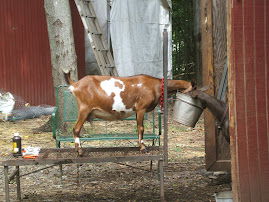
Mother's milk is the perfect food for baby. All mammals produce milk to feed their young. The best part is that it is free and naturally occurring! Humans are the only animals who take milk from other animals to feed ourselves and make cheese and other dairy products. We are also the only animal that continues to consume milk after being weaned.
What is in human breast milk? Human breast milk contains saturated, monounsaturated, and polyunsaturated fats, omega-3 fats, DHA, protein, lactose, vitamins, and carbohydrates. It also has Lysozyme which promotes healthy gut bacteria, fights E. Coli and Salmonella and is anti-inflammatory. There is also Lactoferrin, Secretory IgA, and Bifidus factor which all protect the baby from the bad and support support good bacteria. It does not contain Iron which is often added to baby formula.
Breast milk, its not just for babies any more. A New York Chef Daniel Angerer made "Mommy's milk cheese" with his fiance's breast milk. It was not offered for sale or available in his restaurant, you needed to know him to get a taste. It was made with half human breast milk and half animal milk. But long before he was even born, they were doing it in France. Le Petit Singly started making cheese with human breast milk in 1947. They sell this cheese to the public and consider it to be organic. Le Petit Singly has a sweetness with notes of hazelnuts, according to their website http://membres.multimania.fr/petitsingly/.
I even watched a member of the band Blur, Alex James, make a cappuccino for Gordon Ramsey on the F Word using breast milk. Gordon did not have a very positive reaction. You can watch the fun here http://www.youtube.com/watch?v=C-mICAgypGE
Breast milk is very difficult to coagulate. I have read about an attempt to make paneer with 100% human breast milk that was a total failure. You would need something much stronger than lemon juice to curdle breast milk. I think mixing it with animal milk was vital in making "Mommy's milk cheese". I wonder how they make Le Petit Singly. Many people online believe it is a hoax but I do believe in its existence but have no proof.
Daniel Angerer made cheese from his fiance's breast milk because they had a glut and did not want to waste it and donating it was a lengthy process. There has been a massive decline in breast milk banks. One reason for this is a law supporting milk banks expired after World War II. Then formula took off and I can't help but wonder if there is a connection between the decline in milk banks and rise in sales of baby formula. Of course there is a connection but is there a conspiracy?
The sad truth is that there is a need for human breast milk and it has become very difficult to get to those who need it. Some babies do not thrive on formula and some mothers have a hard time breastfeeding. Neil Patrick Harris and his partner have had a hard time getting breast milk for their daughter. They are rich and famous and have minions at their disposal to do their bidding, so why did they have such a hard time getting breast milk?
What happened to the wet nurse? This was very common previous to the 20th century. They still exist and this profession seems to be making a comeback. Some may find it very disturbing to have a baby feed by someone who is not their mother. I know my Aunt breast feed me a few times when I was a baby, this is called cross nursing. I also remember my mother telling me a story of a young woman who was a new mother and was tragically murdered. The neighborhood organized lactating mother's to step in to supply her baby with breast milk. There was no medical exam or blood tests just good people doing something to give a baby what they could to improve an awful situation.
I really hope I can breast feed. Formula scares me and I know it is nowhere near as nutritious as breast milk. Did you hear about the babies in China developing breasts because of powdered milk that was contaminated by chemicals. Breast milk helps a child's immune system and if you do not breast feed you really should not put your baby in day care until they are on solid foods.
My case is a bit different as I take a daily injection drug called Copaxone to treat MS. I have taken it every day during my pregnancy as it is considered safe during pregnancy. But there is no information whatsoever regarding this drug and breast feeding. This makes me very angry and I have been unable to get even a recommendation from my high risk obstetrician or neurologist or the nurse who calls me every few months from Shared Solutions who work for Copaxone. They all tell me the choice is mine with no advice leading me one way or another. I also do not know or have heard of anyone who has been in this situation. If you do, please let me know.
What I do know is that I can go off Copaxone after the baby is born I run the risk of getting sick. In this scenario I would surely get sick and my only option would be steroids. This is not ideal and am already at a high risk of getting sick a few months after the baby is born as hormones change. I had to get off a number of drugs months before I even started trying to get pregnant. I really want to stay on my Copaxone and breast feed. Wish me luck! Maybe a study will actually be done on the matter before my son is born in May.
Showing posts with label milk. Show all posts
Showing posts with label milk. Show all posts
Tuesday, January 11, 2011


Friday, November 20, 2009
"Cheese from the ewe, milk from the goat, butter from the cow."
Cheese is made from milk and milk comes from many different mammals. The most popular milk types for cheese making are cow, goat, sheep, and Water Buffalo. There are cheeses made from Yak and even reindeer milk. Today I will focus on the more common types of milk being cow, goat, and sheep.
In most countries around the world, goat milk is preferred making it the most consumed type of milk. Goat milk is pure white and naturally homogenized. The fat in cow’s milk will rise to the surface whereas the fat globules in goat milk are much smaller and will remain suspended. Goat milk is lower in lactose and is easier to digest than cow’s milk. People who have issues with cow’s milk will often find goat’s milk to be a wonderful alternative. Goat milk is a great source of protein, calcium, phosphorus, vitamin B2, potassium, and the amino acid tryptophan. Goat’s milk also has anti-inflammatory compounds called oligosaccharides and can enhance the metabolism of iron and copper. Goat’s milk can be frozen and stored for up to 30 days. Freezing goat’s milk and using it for cheese making will result in a more delicate curd.
Goats lactate for ten months and their milk will become scarce as they move into their breeding season. For this reason, goat’s milk is harder to come by in winter but the milk will have a higher butterfat content. Goats are milked twice a day and can produce between 3-5 quarts of milk per day. Milk from the Nubian breed has larger fat globules and is great for making soft and semi-firm cheeses. The Toggenburg breed of goat will produce milk with smaller globules which is great for making sharp aged cheese.
Goat milk can taste sweet with a salty undertone. Goat’s milk cheese can have a tangy flavor that will mellow with age. There are many different kinds of cheeses made from goat’s milk ranging from fresh and soft to aged and hard. There are also yogurts, ice creams, and butters made from goat’s milk. People often tell me they do not like goat cheese but I argue they have not met the right goat cheese yet.
We have been milking sheep longer than we have been milking cows but there are only 100 sheep dairies in the United States. Sheep milk is rich, concentrated and has the highest amount of fat and protein when compared to cow and goat milk. Sheep’s milk is also higher in nutrients than cow or goat milk. Sheep milk is rich in Calcium, Potassium, Phosphorus, Magnesium, Sodium, Folate, Vitamin A and C. It also provides Iron, Zinc, Selenium, Riboflavin, Thiamin, Niacin, Panthothenic acid, Vitamin B6 and B12. Sheep’s milk can help reduce cholesterol as its primary fats are heart healthy monounsaturated and polyunsaturated. Sheep’s milk contains medium chain triglycerides which may reduce cholesterol.
Sheep’s milk also has high levels of conjugated linoleic acid which can fight cancer and reduce fat. The fat globules in sheep milk are small and people who cannot tolerate cow or goat milk can often enjoy sheep milk.
Lactating ewes of any breed can be milked. There are more than a dozen sheep breeds that specialized in dairy producers. Only a few of these breeds are available in the United States, the East Friesian and Lacaune. These breeds will produce 400-1,100 pounds of milk per lactation as compared to the 100-200 pounds of milk per lactation for conventional sheep.
Sheep milk is sweet, nutty, and creamy. Sheep have the shortest lactation period and can produce milk for up to eight months. Sheep are milked twice a day and can produce about a quart per day. Sheep milk has more solids than goat or cow milk which means more cheese can be made from one gallon of sheep milk. Goat and cow milk will yield 9-10% cheese where sheep milk will yield 18-25%. Sheep produce less milk than cows and goats making it four times as expensive. Freezing does not alter the cheesemaking ability of sheep’s milk which can be frozen and stored for up to 30 days
Cow’s milk is 88% water, 5% lactose, 3.5-5% protein, 3-5% fat and minerals and enzymes make up the remaining percentage. Cow’s milk has the highest amount of carotene which makes the milk look yellow. Cow’s milk can taste earthy and grassy but taste will depend on season. Cows have a longer lactation period than goats and sheep. If the breeding is staggered for a herd of cows, they can be milked year round. Cows are milked twice a day and can produce between 8-20 quarts of milk per day. One gallon of milk will produce about a pound of cheese. Cow’s milk cannot be frozen and used for cheese making. Milk from Jersey and Guernsey breeds of cow have the largest fat globules making their milk wonderful for making soft and semi soft cheeses. Ayrshire milk has the smallest fat globules and is great for making sharp Italian cheese and long aged Cheddar.
Cow’s milk is a great source of iodine, calcium, Vitamin D, tryptophan, riboflavin, phosphorus. Cow's milk is also a good source of protein, potassium and Vitamin B12, K, and A. Grass fed cows produce milk with conjugated linoleic acid which can prevent cancer, lower cholesterol, and prevent atherosclerosis.
Many people will argue that the best way to enjoy cow’s milk is to drink it raw. When milk is referred to as raw, it means the milk has not been pasteurized. Raw milk contains components that assist in killing pathogens, preventing pathogen absorption, and strengthen the immune system. Many of these immune enhancing and antimicrobial components are greatly reduce by pasteurization and destroyed by ultra-pasteurization. Raw milk is safe only if it comes from a safe producer. Do you know where your milk comes from?
Raw milk can be legally sold in 28 states within the United States. Many cheeses are made using raw milk. In the United States, raw milk cheeses must be aged for a minimum of sixty days before they can legally be sold. After sixty days, the acids in the cheese have killed any harmful pathogen. Raw milk cheeses are legal and widely available in Europe. A recent report issued by the Australian government argues that producers can make raw milk cheese equivalent to pasteurized cheese in safety.
Don’t judge a cheese by its milk type unless you have allergies or lactose issues. You might be surprised by how much you enjoy a Goat Gouda or Sheep’s milk brie. There is also a variety of cheeses made using two or more milk types. Try a mixed milk cheese like Menage and taste what you have been missing. "Cheese from the ewe, milk from the goat, butter from the cow" is an old Spainsh Proverb that seems to say the best milk comes from goats, butter from cows, and cheese from sheep. There might be some truth to that but I love cheese made from all of them.
In most countries around the world, goat milk is preferred making it the most consumed type of milk. Goat milk is pure white and naturally homogenized. The fat in cow’s milk will rise to the surface whereas the fat globules in goat milk are much smaller and will remain suspended. Goat milk is lower in lactose and is easier to digest than cow’s milk. People who have issues with cow’s milk will often find goat’s milk to be a wonderful alternative. Goat milk is a great source of protein, calcium, phosphorus, vitamin B2, potassium, and the amino acid tryptophan. Goat’s milk also has anti-inflammatory compounds called oligosaccharides and can enhance the metabolism of iron and copper. Goat’s milk can be frozen and stored for up to 30 days. Freezing goat’s milk and using it for cheese making will result in a more delicate curd.
Goats lactate for ten months and their milk will become scarce as they move into their breeding season. For this reason, goat’s milk is harder to come by in winter but the milk will have a higher butterfat content. Goats are milked twice a day and can produce between 3-5 quarts of milk per day. Milk from the Nubian breed has larger fat globules and is great for making soft and semi-firm cheeses. The Toggenburg breed of goat will produce milk with smaller globules which is great for making sharp aged cheese.
Goat milk can taste sweet with a salty undertone. Goat’s milk cheese can have a tangy flavor that will mellow with age. There are many different kinds of cheeses made from goat’s milk ranging from fresh and soft to aged and hard. There are also yogurts, ice creams, and butters made from goat’s milk. People often tell me they do not like goat cheese but I argue they have not met the right goat cheese yet.
We have been milking sheep longer than we have been milking cows but there are only 100 sheep dairies in the United States. Sheep milk is rich, concentrated and has the highest amount of fat and protein when compared to cow and goat milk. Sheep’s milk is also higher in nutrients than cow or goat milk. Sheep milk is rich in Calcium, Potassium, Phosphorus, Magnesium, Sodium, Folate, Vitamin A and C. It also provides Iron, Zinc, Selenium, Riboflavin, Thiamin, Niacin, Panthothenic acid, Vitamin B6 and B12. Sheep’s milk can help reduce cholesterol as its primary fats are heart healthy monounsaturated and polyunsaturated. Sheep’s milk contains medium chain triglycerides which may reduce cholesterol.
Sheep’s milk also has high levels of conjugated linoleic acid which can fight cancer and reduce fat. The fat globules in sheep milk are small and people who cannot tolerate cow or goat milk can often enjoy sheep milk.
Lactating ewes of any breed can be milked. There are more than a dozen sheep breeds that specialized in dairy producers. Only a few of these breeds are available in the United States, the East Friesian and Lacaune. These breeds will produce 400-1,100 pounds of milk per lactation as compared to the 100-200 pounds of milk per lactation for conventional sheep.
Sheep milk is sweet, nutty, and creamy. Sheep have the shortest lactation period and can produce milk for up to eight months. Sheep are milked twice a day and can produce about a quart per day. Sheep milk has more solids than goat or cow milk which means more cheese can be made from one gallon of sheep milk. Goat and cow milk will yield 9-10% cheese where sheep milk will yield 18-25%. Sheep produce less milk than cows and goats making it four times as expensive. Freezing does not alter the cheesemaking ability of sheep’s milk which can be frozen and stored for up to 30 days
Cow’s milk is 88% water, 5% lactose, 3.5-5% protein, 3-5% fat and minerals and enzymes make up the remaining percentage. Cow’s milk has the highest amount of carotene which makes the milk look yellow. Cow’s milk can taste earthy and grassy but taste will depend on season. Cows have a longer lactation period than goats and sheep. If the breeding is staggered for a herd of cows, they can be milked year round. Cows are milked twice a day and can produce between 8-20 quarts of milk per day. One gallon of milk will produce about a pound of cheese. Cow’s milk cannot be frozen and used for cheese making. Milk from Jersey and Guernsey breeds of cow have the largest fat globules making their milk wonderful for making soft and semi soft cheeses. Ayrshire milk has the smallest fat globules and is great for making sharp Italian cheese and long aged Cheddar.
Cow’s milk is a great source of iodine, calcium, Vitamin D, tryptophan, riboflavin, phosphorus. Cow's milk is also a good source of protein, potassium and Vitamin B12, K, and A. Grass fed cows produce milk with conjugated linoleic acid which can prevent cancer, lower cholesterol, and prevent atherosclerosis.
Many people will argue that the best way to enjoy cow’s milk is to drink it raw. When milk is referred to as raw, it means the milk has not been pasteurized. Raw milk contains components that assist in killing pathogens, preventing pathogen absorption, and strengthen the immune system. Many of these immune enhancing and antimicrobial components are greatly reduce by pasteurization and destroyed by ultra-pasteurization. Raw milk is safe only if it comes from a safe producer. Do you know where your milk comes from?
Raw milk can be legally sold in 28 states within the United States. Many cheeses are made using raw milk. In the United States, raw milk cheeses must be aged for a minimum of sixty days before they can legally be sold. After sixty days, the acids in the cheese have killed any harmful pathogen. Raw milk cheeses are legal and widely available in Europe. A recent report issued by the Australian government argues that producers can make raw milk cheese equivalent to pasteurized cheese in safety.
Don’t judge a cheese by its milk type unless you have allergies or lactose issues. You might be surprised by how much you enjoy a Goat Gouda or Sheep’s milk brie. There is also a variety of cheeses made using two or more milk types. Try a mixed milk cheese like Menage and taste what you have been missing. "Cheese from the ewe, milk from the goat, butter from the cow" is an old Spainsh Proverb that seems to say the best milk comes from goats, butter from cows, and cheese from sheep. There might be some truth to that but I love cheese made from all of them.
Subscribe to:
Posts (Atom)